


Appraisers are quitting… how does this affect me if I’m selling my home in Rancho Cucamonga?
The appraiser workforce is shrinking, and that can mean longer wait times, tighter escrow timelines, and a higher chance of a low appraisal on your Rancho Cucamonga home, especially if it has custom features, mountain views, or sits at the top of the market. The fix is not panic. It is preparation: defensible pricing, an appraiser-ready information packet, and offers structured to account for appraisal risk before you ever open escrow.
Why This Matters Right Now in Rancho Cucamonga
If you are selling a home in Rancho Cucamonga, the appraisal is one of the last hurdles standing between you and the closing table. And right now, there are fewer people qualified to do that job than at any point in recent memory.
According to Collateral Risk Network research, the number of first-time appraiser test takers fell from 4,790 in 2009 to 1,421 in 2025. Of those, just 820 passed, roughly 15 new appraisers per state. Meanwhile, demand for qualified appraisers remains steady, fueled by ongoing regulatory requirements for independent property valuations, per the Appraisal Subcommittee.
Home values in Rancho Cucamonga vary dramatically by ZIP code, from roughly $692,923 in the 91730 area to approximately $1,081,655 in 91739, according to RealtyTrac data. That range means an appraiser unfamiliar with your specific neighborhood could get the value meaningfully wrong, and that creates real problems when your buyer’s lender is writing the check.
What the Data Actually Shows About the Appraiser Workforce
“Appraisers are quitting” makes a great headline, but the truth is more nuanced than a mass exodus. What we are seeing is a slow structural squeeze that has been building for years.
A deeper dive into the ASC database as of year-end 2024 finds that 66,715 appraisers hold about 91,000 credentials nationally, compared with U.S. Bureau of Labor Statistics employment data reporting 59,070 as of May 2024, per the ASC and BLS. The difference may be due in part to appraisers who are not actively practicing, meaning the “available” workforce is even smaller than the credential count suggests.
The age profile makes the pipeline problem worse. Over 43% of appraisers have been practicing for 31 years or more, and 42% for 21 to 30 years. Just over 1% of respondents have five years of experience or less, according to Appraisal Institute survey data. The profession has never been older or more experienced than it is right now.
Why aren’t new appraisers coming in? In part, because there is an insufficient number of supervisors for aspiring appraisers. The Appraisal Foundation has reported a list of 4,000 people who want to become appraisers but cannot find a supervisor to train under. Becoming licensed requires 1,000 to 1,500 hours of supervised experience, plus coursework and exams, a process that can take two or more years with limited compensation during training.
So no, appraisers are not walking off the job in droves. But the ones who remain are getting older, the replacements are not coming fast enough, and the practical effect for sellers in Rancho Cucamonga is the same: fewer appraisers, longer waits, and higher risk on complex properties.
How Homes Are Being Valued Now, and When Full Appraisals Are Still Required
Lenders and the GSEs have responded to the workforce squeeze by expanding alternatives to the traditional full appraisal.
Fannie Mae revised its Selling Guide in September 2025 to replace the term “appraisal waiver” with “value acceptance,” per Fannie Mae’s published Selling Guide updates. Freddie Mac offers a similar program called Automated Collateral Evaluation (ACE). If the automated underwriting system determines there is enough data on a property, the lender may proceed without ordering a traditional appraisal.
However, according to the AEI Housing Center’s June 2025 update, the combined share of appraisal waivers across Fannie Mae and Freddie Mac stood at 16% of all purchase loans, down dramatically from the March 2021 peak of nearly 50%. So the vast majority of financed purchases still require some form of appraisal.
Hybrid appraisals, where a vetted property data collector visits the home and an appraiser completes the valuation remotely, are another option. But despite regulator interest in these models, adoption has been slow, per industry reporting. For lenders, they introduce added operational complexity, while for borrowers, they can add cost without the clear benefit of a traditional appraisal.
Here is the key point for most Rancho Cucamonga sellers: if your buyer is using a jumbo loan (common on homes in the Deer Creek, Haven View Estates, or Etiwanda Estates areas where values can exceed $1 million), the lender will very likely require a full traditional appraisal, and some jumbo lenders require two. If your property is in probate and requires court confirmation, the court-appointed probate referee must also provide a valuation.
What This Means for Your Sale in Rancho Cucamonga
The appraiser shortage creates several specific risks you should plan for:
Longer turnaround times. With fewer appraisers covering San Bernardino County, scheduling delays of two to four weeks (or more) are increasingly common. That can push your closing past the dates you planned, which is especially painful if you are buying your next home simultaneously. As of June 2026, homes in Rancho Cucamonga were selling in a median of 26 days, according to local MLS reporting. Add a two-to-three-week appraisal delay on top of that, and your escrow timeline stretches significantly.
Appraisers less familiar with Rancho Cucamonga micro-markets. When an appraiser is assigned through an appraisal management company, they may not regularly work in Rancho Cucamonga. That matters here because the spread between neighborhoods is enormous. A home in the Deer Creek foothill community sits at roughly $1.67 million, more than double the citywide typical value, per RealtyTrac data. Central Rancho Cucamonga near the 91730 ZIP trades at a fraction of that. An appraiser pulling comps from the wrong micro-market can undervalue your property by tens of thousands of dollars.
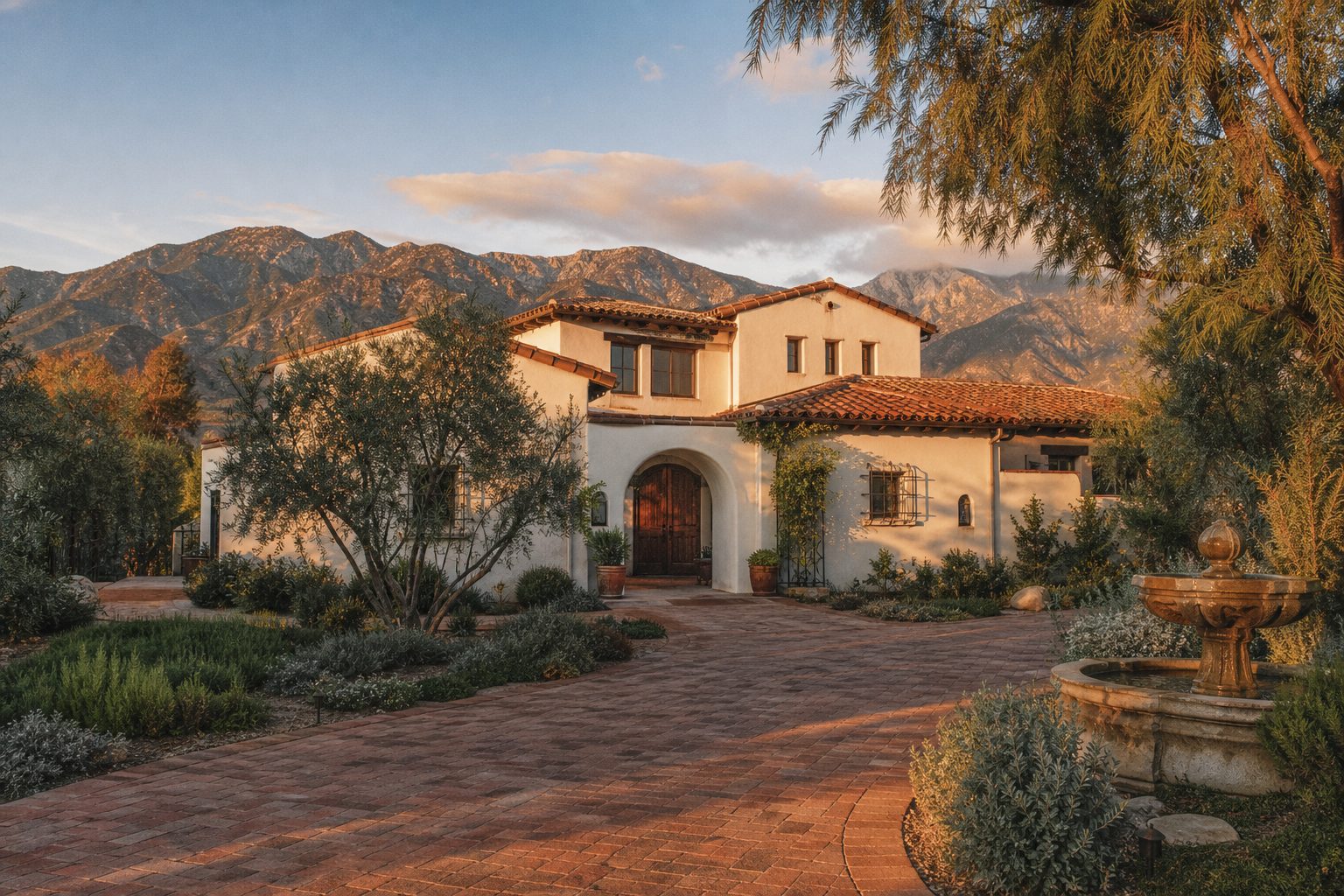
Higher risk on luxury, custom, and unique properties. If your home in Red Hill or Sheridan Estates has a San Gabriel mountain view, a large lot, custom finishes, or upgrades that are difficult to comp, the appraiser has fewer recent sales to support your price. About 32.8% of Rancho Cucamonga homes sold over the list price in recent reporting, while roughly 54.9% sold under it, according to local market data. That variability means every comp matters.
Ripple effects on your next purchase. If you are selling your current home in order to buy your next one, an appraisal delay or a low appraisal on your sale can throw off the entire chain. Your contingency removal dates on the purchase side depend on your sale closing on time. One delay cascades into two.
Why Luxury and Unique Rancho Cucamonga Homes Face More Appraisal Risk
Premium properties in the foothill communities of Alta Loma (91737, with a median estimated value around $1,022,378 per RealtyTrac) and Etiwanda (91739, around $1,081,655) sit in a price tier where comparable sales are fewer, further apart in time, and more variable. A home in Carriage Estates or Rancho Etiwanda Estates with a custom pool, a detached casita, or significant lot acreage may not have a clean comparable sale within the past six months.
When an appraiser cannot find strong recent comps, they have to make more adjustments. More adjustments mean more subjectivity. More subjectivity means more risk of a value that does not match the contract price. This is not the appraiser’s fault; it is simply the nature of valuing unique properties.
That risk is compounded when the appraiser is not deeply familiar with what drives premiums in these specific communities, such as elevation, view corridors, lot configuration, or proximity to the San Gabriel foothills.
Our Seller Game Plan for Appraisal Risk
We take appraisal risk seriously, and we plan for it before your home goes on the market. Here is how:
Price with defensible comps from day one. We do not pick a list price based on what you hope to get. We build a pricing strategy anchored to recent closed sales that an appraiser will use, in your specific neighborhood, at your specific price tier. If the comps support a higher number, great. If they do not, we tell you that directly so you are not blindsided later.
Prepare an appraiser information packet. Before the appraiser ever walks through your door, we prepare a professional packet that includes a list of all improvements and upgrades with permits (where applicable), cost documentation, a curated list of the most relevant comparable sales with notes on why each comp is appropriate, and any unique features of the property that may not be obvious. This is permitted under appraiser independence rules. We are providing information, not influence.
Build realistic timelines into the contract. We factor potential appraisal delays into our recommended contingency periods and closing dates. If the standard timeline feels tight given current turnaround times, we adjust before you are in a bind.
Evaluate offers by more than just price. A higher offer means nothing if the buyer’s financing falls apart at the appraisal. We look at loan type, lender reputation, whether the buyer has appraisal gap coverage, and how much cash the buyer has available to cover a shortfall. Those details determine which offer actually closes.
If the Appraisal Comes in Low
A low appraisal is not the end of the deal. It is a negotiation point. Here are the options:
- The buyer covers the gap. If the buyer has the cash and wants the home enough, they can pay the difference between the appraised value and the contract price out of pocket. Some buyers include appraisal gap clauses in their offer, committing upfront to cover a shortfall up to a specified amount.
- You renegotiate the price. You and the buyer can agree to reduce the contract price to the appraised value, or meet somewhere in the middle.
- You split the difference. The buyer puts in additional cash, and you reduce the price, meeting halfway.
- You request a reconsideration of value (ROV). Federal regulators, including the CFPB and other agencies, have issued interagency guidance on the reconsideration of value process. If there are factual errors, missing comps, or unsupported adjustments in the appraisal, the borrower (through their lender) can submit a formal request for the appraiser to reconsider. We prepare the supporting documentation.
- You re-market the home. If the gap is too large and no resolution works, you can cancel the contract and re-list, potentially to a buyer with different financing or a cash offer that avoids the appraisal issue entirely.
What we tell our sellers is this: the best defense against a low appraisal is a strong offense. That means pricing correctly, documenting everything, and choosing offers with the financial strength to close even if the appraisal is not perfect.
What This Means for Rancho Cucamonga Buyers
If you are buying in Rancho Cucamonga using financing, talk to your lender early about appraisal timelines. Understand whether your loan may qualify for value acceptance or whether a full appraisal (or two, for jumbo loans) will be required. Have a plan for what you will do if the appraisal comes in below your offer price. An appraisal gap clause can make your offer stronger in a competitive situation, and it shows the seller you are prepared to close.
Frequently Asked Questions
Is there really an appraiser shortage?
The workforce is shrinking, though “shortage” depends on your market. According to BLS data as of May 2024, there were 59,070 employed appraisers nationally, while the ASC database shows 66,715 credential holders as of year-end 2024. Not all credential holders are actively working. The pipeline of new entrants has dropped sharply, with only 820 first-time test takers passing in 2025, per Collateral Risk Network research.
How long does a home appraisal take right now?
Turnaround varies, but with fewer appraisers covering San Bernardino County, scheduling and completion can take two to four weeks or longer in some cases. Homes in Rancho Cucamonga were selling in a median of 26 days as of June 2026 per local MLS data, so an appraisal delay can meaningfully extend your closing timeline.
Can a low appraisal kill a home sale?
It can, but it does not have to. A low appraisal gives the buyer grounds to renegotiate or walk away if they have an appraisal contingency. However, most deals can be saved through renegotiation, an appraisal gap clause, or a reconsideration of value.
What happens if my Rancho Cucamonga home appraises low?
You have several options: renegotiate the price, ask the buyer to cover the gap, split the difference, request a reconsideration of value if there are errors or missing comps, or cancel and re-market to a different buyer.
Can my agent talk to the appraiser?
Yes, within limits. Federal appraiser independence rules prohibit agents from pressuring or attempting to influence an appraiser’s opinion of value. However, agents may provide relevant property and market information, including a list of comparable sales, documentation of upgrades and permits, and factual details about the property and neighborhood.
What should I give the appraiser?
Prepare a packet with a list of all improvements, permits, and cost documentation; a curated list of relevant comparable sales; and any features of the property that may not be immediately visible. We prepare this for every listing.
What is a reconsideration of value?
It is a formal process where the borrower, through their lender, asks the appraiser to reconsider their valuation based on factual errors, omitted comparable sales, or unsupported adjustments. Federal regulators have issued interagency guidance outlining this process.
What is an appraisal gap clause?
An appraisal gap clause is a provision in a purchase offer where the buyer commits to paying the difference (up to a specified amount) between the appraised value and the contract price out of pocket. It protects the seller from a low appraisal derailing the deal.
Do cash buyers need an appraisal?
No. Cash buyers are not required to obtain an appraisal because there is no lender involved. Some cash buyers choose to get one for their own due diligence, but it is optional and does not affect the transaction timeline the way a lender-required appraisal does.
What is an appraisal waiver?
Fannie Mae now calls this “value acceptance,” and Freddie Mac calls their version Automated Collateral Evaluation (ACE). If the automated underwriting system determines there is sufficient data on a property, the lender may proceed without a traditional appraisal. As of June 2025, per the AEI Housing Center, only about 16% of purchase loans received this treatment.
The Bottom Line
The appraiser workforce is getting smaller, older, and harder to replenish. For sellers in Rancho Cucamonga, that means appraisal risk is something to plan for, not react to. Price with comps an appraiser will actually use. Prepare the documentation before the appraiser arrives. Structure your contract timelines to account for delays. And choose offers based on the buyer’s ability to close, not just the number on the page.
Have questions about appraisals or your next move in Rancho Cucamonga? Let’s talk. Whether you are buying, selling, or just planning ahead, we will give you honest advice and a clear plan.
Brent Blay | Sold By Blay | Park Regency Realty | DRE #02068178 909-641-8751 | brentblay@parkregency.com | soldbyblay.com Your family deserves the best.
*This article is general information, not legal or lending advice. Consult a licensed professional for guidance on your specific situation. Information and data as of October 2026; figures change regularly.*

Leave a Reply