


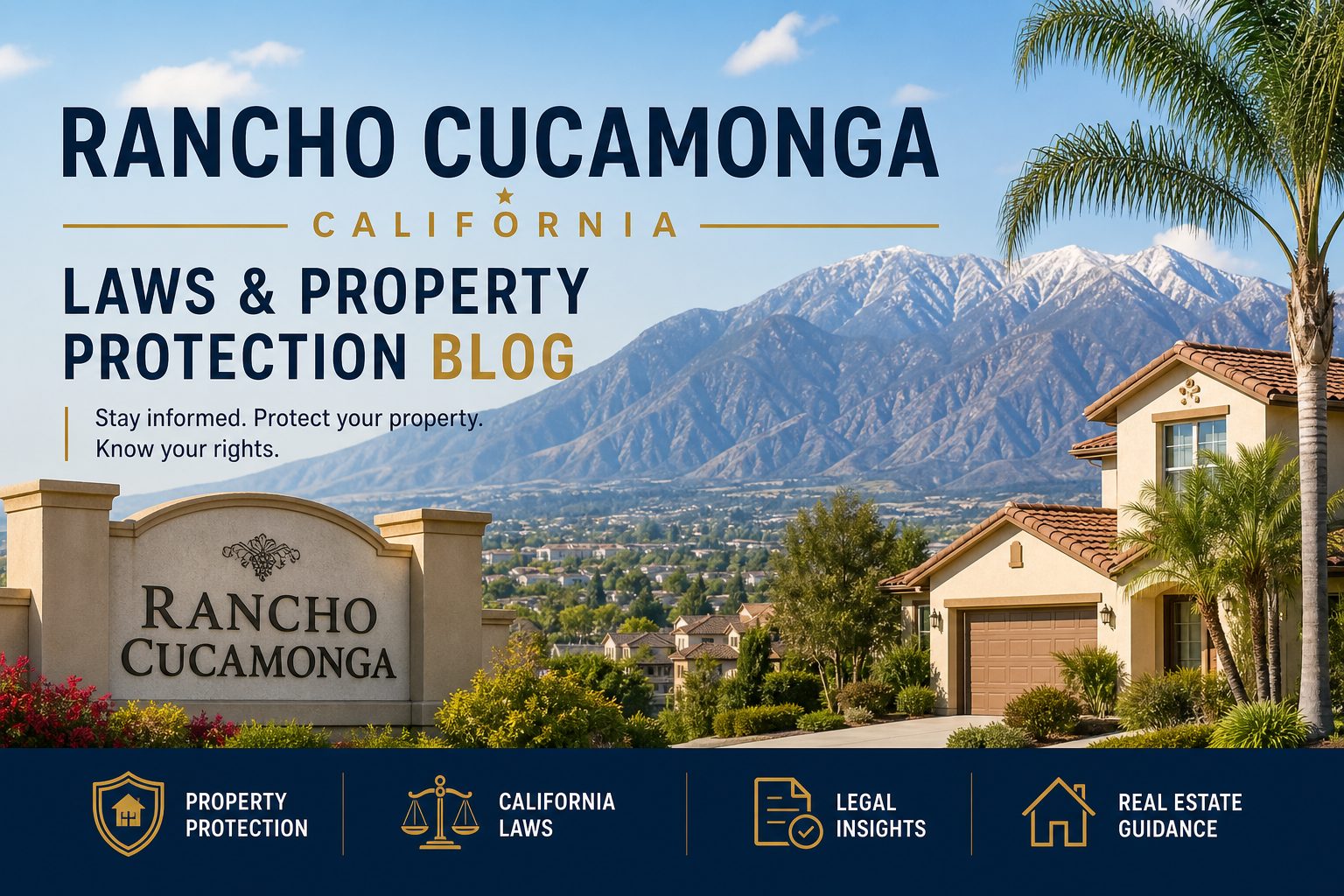
What new California laws in 2027 affect homeowners, buyers, and sellers in Rancho Cucamonga?
Several verified California laws carry effective or operative dates in 2027, covering deed fraud protections, rental temperature standards, expedited wildfire rebuilding review, permitting transparency, and the expiration of a wildfire-area sale restriction. Most take effect January 1, 2027. If you own, rent out, or plan to buy or sell property in Rancho Cucamonga or anywhere in San Bernardino County, reviewing which laws apply to your situation before you act is the smart first step.
*Last updated: October 3, 2026. This article is general information, not legal advice. Laws can be amended or challenged, and details vary by situation. Consult a California real estate attorney about your specific circumstances. We will update this post as new details are released.*
—
Why This Matters Right Now for Rancho Cucamonga Homeowners
You might be wondering whether these laws actually change anything for you here in Rancho Cucamonga. The answer depends on your situation. If you own a home and worry about deed fraud, a new county recorder notification program will give you a tool you have not had before. If you rent out a property or an ADU, new indoor temperature policy requirements could affect how state agencies evaluate habitability standards going forward. If you are planning to sell or buy in 2027, the disclosure rules that took effect in 2026 are still the ones to know, and we break those down below so you are not caught off guard.
What we always tell our clients is this: do not wait until you are in escrow to learn about a rule change. Reviewing these laws now, while you have time, puts you in a position of strength rather than scrambling to catch up at the closing table.
—
2027 Verified Laws at a Glance
Here is a quick reference for every verified law with a 2027 effective date or sunset. We go deeper on each one in the sections that follow.
- SB 255, County Recorder Notification Program: Requires every California county to create a deed-recording notification system so homeowners can be alerted when a document is recorded against their property. Affects all homeowners. Effective January 1, 2027.
- SB 655, Safe Maximum Indoor Temperature for Rentals: State agencies must consider a safe maximum indoor temperature standard when revising rental regulations and grant programs. Affects landlords, ADU owners who rent, and renters. Effective January 1, 2027.
- SB 676, Expedited CEQA Review for Wildfire Rebuilding: Adds expedited California Environmental Quality Act review for rebuilding projects in declared wildfire emergency zones. Affects homeowners rebuilding after wildfires and developers. Operative January 1, 2027.
- AB 253, CA Residential Private Permitting Review Act (Reporting Requirement): Starting April 1, 2027, cities and counties must include private plan-check permit data in their annual Housing and Community Development (HCD) housing element progress reports. The 30-day shot clock and private plan check provisions took effect January 1, 2026. Affects all permit applicants, tracked by local agencies. Reporting effective April 1, 2027, per Chapter 487, Statutes of 2025.
- AB 851, Wildfire Unsolicited Offer Ban (Sunset): The ban on unsolicited residential purchase offers in specified Los Angeles and Ventura County fire-affected ZIP codes expires January 1, 2027. Affects buyers, sellers, and agents in those specific ZIP codes only, not Rancho Cucamonga.
*Note: Several laws commonly discussed as “new for 2027,” including AB 723 (AI image disclosure), AB 455 (smoking disclosure), AB 2992 (buyer broker agreements), AB 130 (HOA fines), SB 410 (HOA balcony inspections), and FinCEN all-cash reporting, actually took effect January 1, 2026 or March 1, 2026. They are already in force and are not new 2027 laws.*
—
Protecting Your Rancho Cucamonga Home from Deed Fraud: SB 255
What does the County Recorder Notification Program do?
Starting January 1, 2027, SB 255 requires every county in California, including San Bernardino County, to establish a notification system that alerts property owners when a document is recorded against their property. This is designed to help you catch fraudulent deed recordings before they cause serious damage.
What does that actually mean for you in Rancho Cucamonga? If someone attempts to forge a deed or record a fraudulent lien against your home, you will receive a notification. You can then take immediate action instead of discovering the fraud months or years later.
This is especially relevant if you have inherited a property or hold title through a trust. Properties in probate or trust administration can be vulnerable to fraud because the original owner has passed away and the heirs may not be monitoring recordings. If you are an executor, administrator, or successor trustee managing inherited property in Rancho Cucamonga, enrolling in your county’s notification program as soon as it launches should be a top priority.
What to do: Watch for San Bernardino County’s implementation announcement. Once the program is available, enroll every property you own. If you are managing an inherited property through probate, make sure the property’s address is registered.
—
Renting Out Your Rancho Cucamonga Home or ADU: SB 655
Does the indoor temperature law affect landlords in Rancho Cucamonga?
SB 655 does not set a specific maximum indoor temperature requirement for rental units today. What it does, effective January 1, 2027, is require state agencies to consider establishing a safe maximum indoor temperature standard when they next revise rental housing regulations and grant programs.
If you own an ADU, guest house, or rental property in Rancho Cucamonga, this law signals a direction. Rancho Cucamonga summers regularly push past 100 degrees, and properties without adequate cooling systems could eventually face new regulatory scrutiny. If you are living in Etiwanda or another Rancho Cucamonga neighborhood and renting out any property, and it does not have air conditioning, this is worth paying attention to.
What to do: If you rent out any property in Rancho Cucamonga, confirm that your HVAC system is functional and adequate. If you are considering building an ADU, factor in cooling capacity from the start. No specific temperature limit is mandated yet, but the regulatory framework is being built.
—
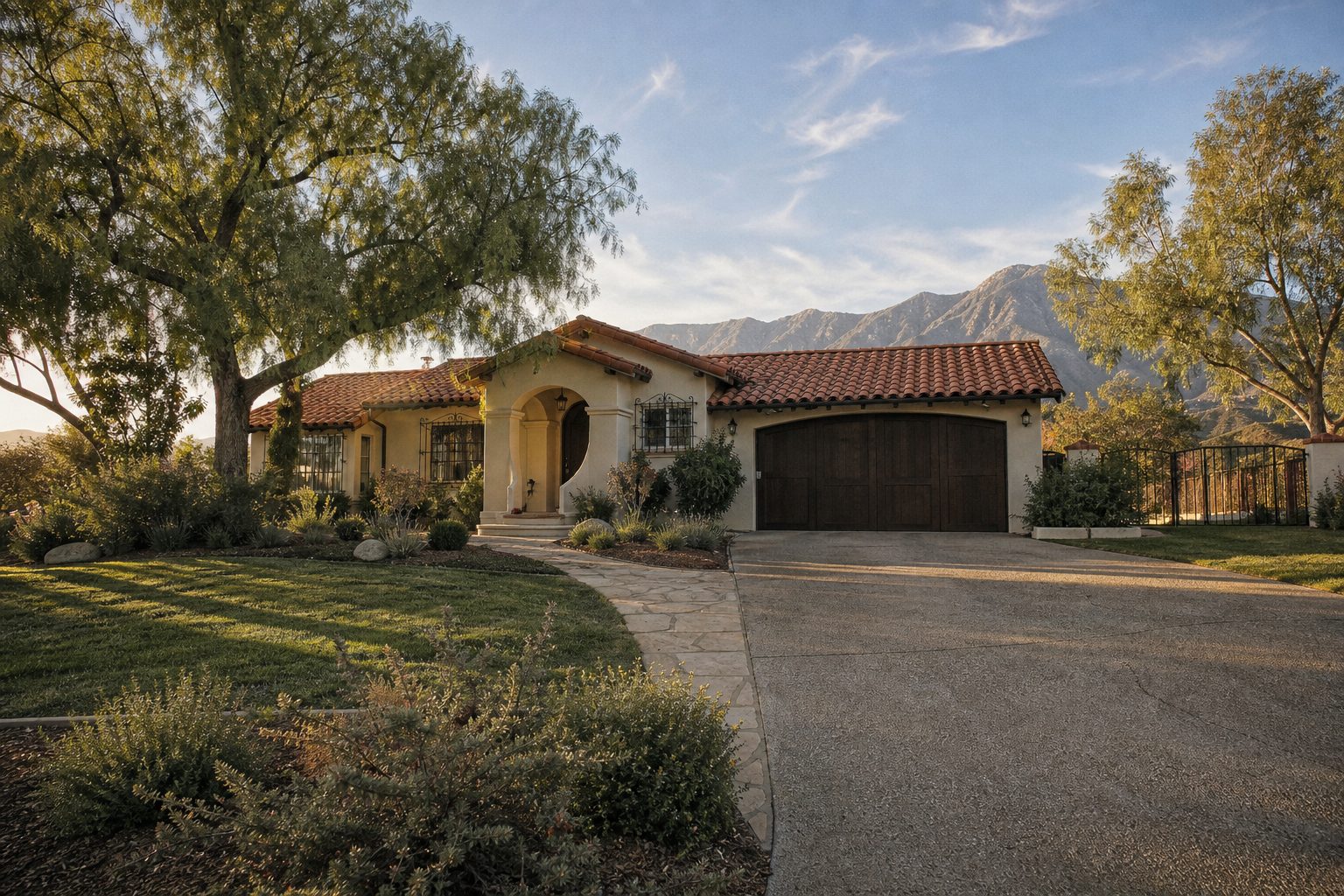
ADUs, Building, and Permits in Rancho Cucamonga: AB 253
How does the Residential Private Permitting Review Act affect Rancho Cucamonga?
AB 253, the California Residential Private Permitting Review Act, was signed on October 10, 2025, as Chapter 487, Statutes of 2025. The core provisions, including the right to use a private third-party plan checker if your local jurisdiction takes more than 30 days to review a residential building permit, took effect January 1, 2026.
The 2027 component is about reporting. Starting April 1, 2027, every city and county, including the City of Rancho Cucamonga, must include data on privately reviewed permits in their annual HCD housing element progress reports. This transparency measure helps track whether the 30-day shot clock is actually being met and how often homeowners are exercising the private plan check option.
If you are adding an ADU, remodeling a kitchen, or doing any permitted work on your Rancho Cucamonga home, the 30-day review deadline is already your right. The April 2027 reporting requirement creates accountability.
What to do: If you submit a permit to the City of Rancho Cucamonga and do not receive a response within 30 business days, you may be eligible to hire a private plan checker at the city’s expense. Verify this right with the city’s building department before exercising it.
—
Wildfire Rebuilding and CEQA: SB 676
Does the expedited CEQA review law apply to Rancho Cucamonga?
SB 676, operative January 1, 2027, provides expedited California Environmental Quality Act review for rebuilding projects in areas that have been declared wildfire emergency zones. Rancho Cucamonga sits at the base of the San Gabriel Mountains, and while the city has not experienced a major wildfire requiring this specific CEQA relief, the proximity to fire hazard zones makes this law relevant context for homeowners in foothill communities.
If a future wildfire were to affect Rancho Cucamonga neighborhoods closer to the foothills, this law would streamline the environmental review process for rebuilding, potentially shaving months off the reconstruction timeline.
What to do: If you own property in or near fire hazard zones, review your homeowner’s insurance coverage now. This law addresses rebuilding timelines, but your ability to rebuild depends on having adequate insurance in the first place.
—
Buying and Selling a Home in Rancho Cucamonga in 2027
Are there new real estate disclosure laws in California for 2027?
No additional real estate disclosure laws with January 1, 2027 effective dates have been verified in the chaptered bill text as of this writing. The major disclosure changes, including AB 455 (smoking and tobacco disclosure) and AB 723 (digitally altered listing image disclosure), took effect January 1, 2026 and are already part of every transaction.
What sellers should know: Under AB 455, already in effect, you must disclose in writing whether anyone has smoked tobacco or nicotine products on the property. This goes on your Transfer Disclosure Statement and Seller Property Questionnaire. If you are listing in 2027, confirm your disclosure forms are the most current versions.
What buyers should know: Under AB 2992, already in effect, your real estate agent must have a signed representation agreement with you before showing you any property. If you are starting your home search in 2027, expect this step at the beginning of every relationship. We walk every buyer through this process so there are no surprises.
What about the wildfire unsolicited offer ban?
AB 851’s ban on unsolicited residential purchase offers in specified fire-affected ZIP codes in Los Angeles and Ventura counties expires January 1, 2027. This restriction does not apply to Rancho Cucamonga or San Bernardino County. If you are involved in a transaction in those specific areas before the expiration date, confirm compliance with the attestation requirement. Violations carry civil penalties and potential misdemeanor charges.
—
How Rancho Cucamonga and San Bernardino County Put These Laws Into Practice
State laws set the floor, but local implementation matters. The City of Rancho Cucamonga’s building department will be directly affected by the AB 253 reporting requirements starting April 1, 2027. San Bernardino County’s recorder office will need to establish the SB 255 notification system by January 1, 2027.
If you are planning a remodel, ADU construction, or any permitted project in Rancho Cucamonga, we recommend checking the city’s building department for updated fee schedules, processing times, and any locally adopted procedures that supplement these state laws. Local implementation details can vary, and what applies in Rancho Cucamonga may differ from neighboring cities like Upland, Ontario, or Fontana.
—
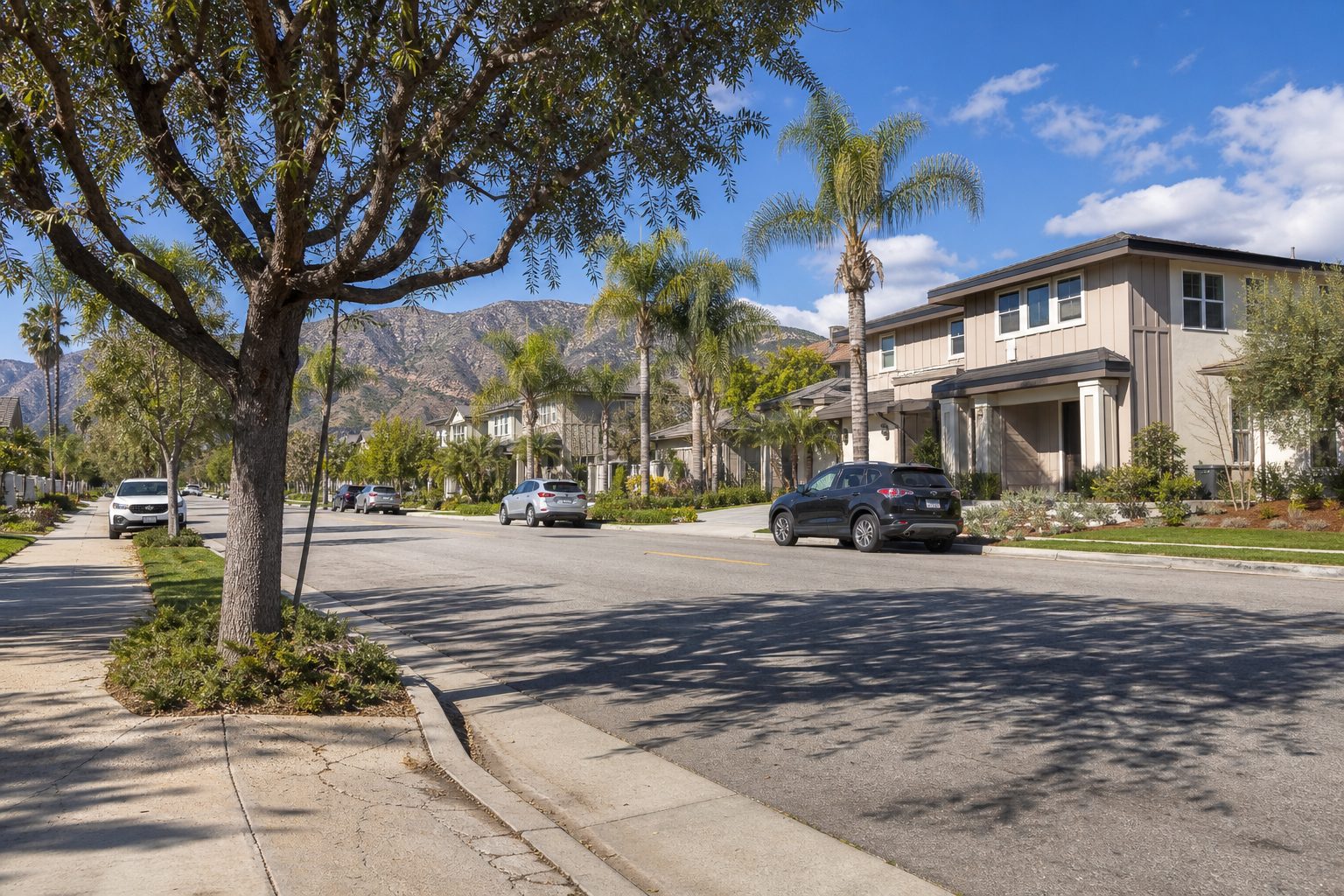
What Rancho Cucamonga Sellers Should Do Before Listing in 2027
If you are planning to sell your Rancho Cucamonga home in 2027, here is your pre-listing checklist based on current and upcoming law:
- Update your disclosure forms. Make sure your Transfer Disclosure Statement and Seller Property Questionnaire reflect the AB 455 smoking disclosure requirement, already in effect.
- Check your listing photos. Under AB 723, any digitally altered or AI-enhanced images must be disclosed. If your agent uses virtual staging, confirm the disclosure is included.
- Pull your permit records. With AB 253’s transparency requirements, buyers and their agents may look more closely at permit history. Confirm that any work you have done has proper permits and final inspections.
- If you own in an HOA, request updated documents. Under SB 410, already in effect, HOAs must include the most recent balcony inspection report in the standard disclosure package. Confirm your HOA is compliant.
- Enroll in the SB 255 recorder notification program once San Bernardino County launches it, so you are protected against any fraudulent recordings during the listing period.
If you are curious about what your home might be worth in this market, we can provide a free, no-obligation valuation.
—
What Rancho Cucamonga Buyers Should Know in 2027
- Expect to sign a buyer representation agreement before any property showings, per AB 2992, already in effect.
- Review all seller disclosures carefully. The smoking disclosure, digitally altered image disclosure, and HOA balcony inspection report are now standard.
- Ask about permit history. With the city’s permitting data becoming more transparent under AB 253’s reporting requirements, any unpermitted work on a property you are considering may be easier to identify.
- Enroll in the SB 255 notification program after closing to protect your new investment.
—
Frequently Asked Questions
What new California laws take effect January 1, 2027?
Verified laws with January 1, 2027 effective dates include SB 255 (county recorder deed notification program), SB 655 (safe maximum indoor temperature policy for rentals), and SB 676 (expedited CEQA review for wildfire rebuilding). AB 851’s wildfire-area unsolicited offer ban also expires on that date. AB 253’s reporting requirement takes effect April 1, 2027.
Are there new real estate disclosure laws in California for 2027?
No new real estate disclosure laws with 2027 effective dates have been verified as of October 2026. The major disclosure changes, AB 455 (smoking) and AB 723 (digitally altered images), took effect January 1, 2026 and are already in force for every transaction.
Are there new HOA laws in California in 2027?
No additional HOA-specific laws with 2027 effective dates have been verified. SB 410, requiring balcony inspection reports in HOA disclosure packages, took effect January 1, 2026 and is already in force. HOA homeowners should confirm their association is complying.
Do any new laws affect home insurance in Rancho Cucamonga in 2027?
No verified chaptered laws with 2027 effective dates specifically address homeowner’s insurance rates or coverage requirements. However, the insurance landscape in California continues to evolve, and Rancho Cucamonga homeowners near fire hazard zones should review their policies annually.
Are there new ADU laws in California in 2027?
No new ADU-specific construction or zoning laws with 2027 effective dates have been verified. AB 253’s reporting provision, effective April 1, 2027, affects all residential permitting, including ADU permits, by requiring cities to report processing times and private plan check usage.
Do new laws change property taxes in Rancho Cucamonga in 2027?
No verified 2027 laws change property tax rates or reassessment rules. Proposition 19, which significantly changed inherited property tax reassessment rules, has been in effect since February 2021 and continues to apply. Heirs who inherit property they do not use as a primary residence will see it reassessed to current market value.
What new laws affect landlords in California in 2027?
SB 655 requires state agencies to consider a safe maximum indoor temperature standard when revising rental housing regulations, effective January 1, 2027. This does not set a specific temperature requirement today but signals a regulatory direction that Rancho Cucamonga landlords should monitor.
When do new California laws typically take effect?
Most new California laws take effect on January 1 of the year following the legislative session. Some carry urgency clauses for immediate effect, and others have delayed operative dates. Always check the specific bill text for the exact effective date.
Do new 2027 laws affect homes already in escrow?
Generally, laws that take effect January 1, 2027 apply to transactions that close on or after that date. If you are in escrow straddling that date, consult your real estate agent and attorney about which requirements apply to your specific timeline.
Where can I read the full text of a new California law?
You can read the full chaptered text of any California law on California Legislative Information, the state’s official legislative website. Search by bill number to find the enrolled and chaptered versions. Your real estate agent can also help you understand how specific laws affect your transaction.
—
The Bottom Line
The verified laws taking effect in 2027 are targeted rather than sweeping. SB 255 gives you a new tool to protect your property from deed fraud. SB 655 signals future rental standards. SB 676 streamlines wildfire rebuilding review. AB 253’s reporting requirement adds permitting transparency. And the wildfire-area unsolicited offer ban under AB 851 expires, though that does not directly affect Rancho Cucamonga.
The bigger impact for most Rancho Cucamonga homeowners, buyers, and sellers in 2027 comes from the 2026 laws already in effect. If you have not reviewed those disclosure and representation requirements yet, now is the time.
Have questions about how new laws affect your home or your next move in Rancho Cucamonga? Let’s talk about your real estate goals. Whether you are buying, selling, or just planning ahead, we will give you honest advice and a clear plan.
Get your free home valuation → soldbyblay.com/home-value/ Schedule a consultation → soldbyblay.com/contact
Brent Blay | Sold By Blay | Park Regency Realty | DRE #02068178 📞 909-641-8751 | ✉️ brentblay@parkregency.com | soldbyblay.com Your family deserves the best.
*Written by Sold By Blay at Park Regency Realty, specialists in luxury, probate, and trust real estate in Rancho Cucamonga and the Inland Empire.*
*Information as of October 3, 2026; we will update this post as new details are released.*

Leave a Reply