


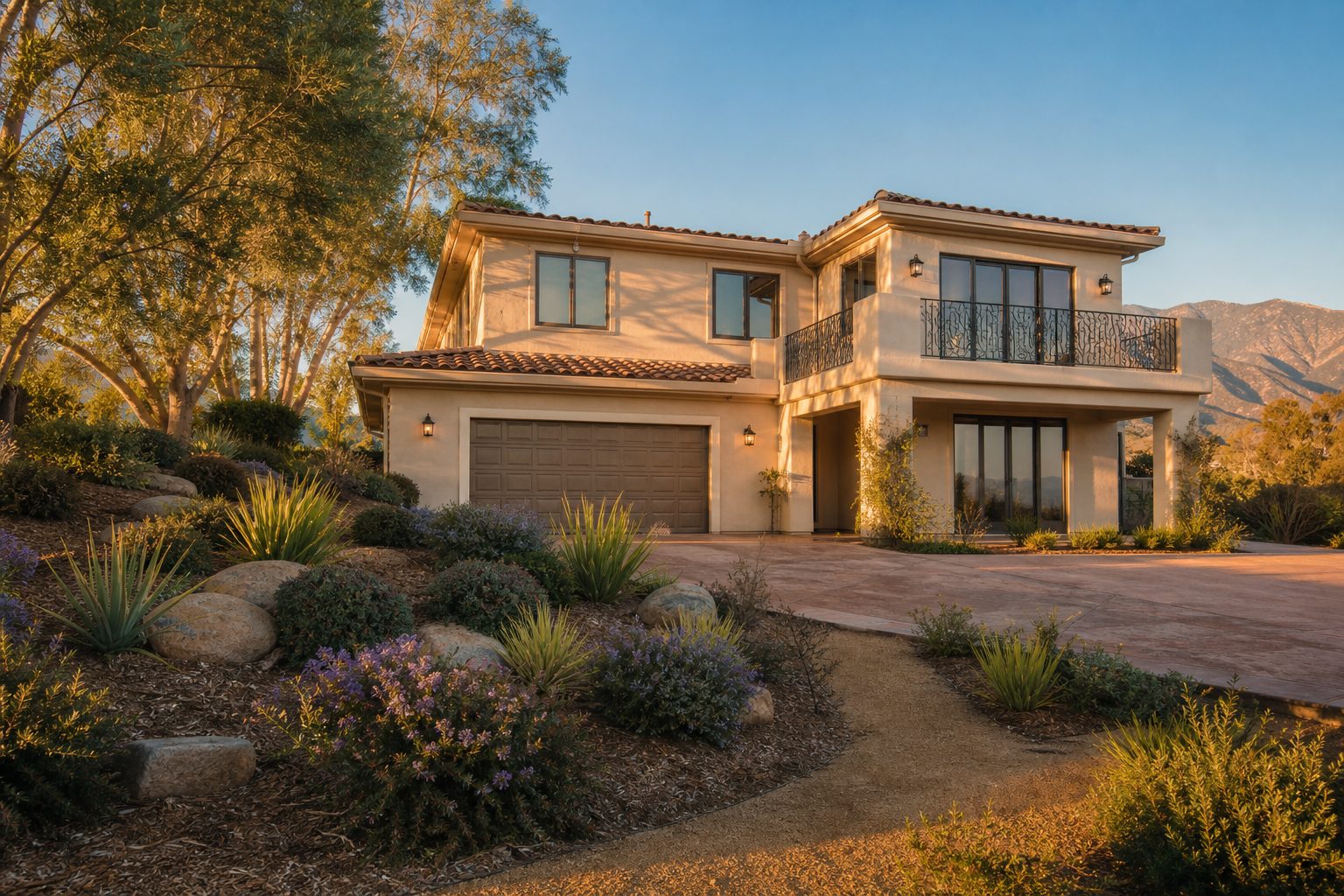
What happens if we can’t agree on a price or offer when selling our house in a divorce?
In California, both spouses on title generally must agree on the listing price and sign to accept any offer. When you can’t agree, your options include relying on neutral market data, creating a written pricing plan, working with a mediator, or asking the family court to intervene.
*Last updated: October 2026 | Part 5 of the Sold By Blay Divorce Real Estate Series*
*This article is general information from a real estate perspective, not legal, tax, or financial advice. Every divorce is different. Consult a California family law attorney about your situation. Information as of October 2026; laws, procedures, and market conditions may change.*
Why Pricing Disagreements in a Rancho Cucamonga Divorce Cost You Both
Every week you and your spouse spend arguing over a number, you are both losing money. Mortgage payments, property taxes, insurance, utilities, and HOA dues do not pause while you negotiate with each other. In Rancho Cucamonga, where the median home sale price sits at approximately $826,000 at roughly $408 per square foot as of June 2026 (per recent market data), carrying costs on a home at that price point can add up fast.
Beyond the monthly bills, a listing that sits unsold because co-owners cannot agree on a price or respond to offers loses buyer interest. The share of Rancho Cucamonga homes with price reductions has climbed to 58.11%, according to mid-2026 market data. That tells you something important: overpricing in this market is already a risk for sellers who agree on everything. When you are also fighting the clock on a divorce, the stakes are even higher.
So what can you actually do? Let’s walk through it.
Who Decides the Listing Price in a Rancho Cucamonga Divorce?
If your home is community property and both of you are on title, neither spouse can unilaterally decide the listing price, choose an agent, or put the home on the market. Both spouses generally must sign off on the listing, the price, and the sale terms.
Here is why that matters even before you get to pricing. The moment a divorce petition is filed and served in California, automatic temporary restraining orders (commonly called ATROs) take effect under Family Code Section 2040, according to the California Courts Self-Help Guide. These ATROs prevent either spouse from selling, refinancing, or borrowing against the marital home without the other spouse’s written agreement or a court order.
In practical terms, neither of you can go around the other. The decision must be mutual, or a court must step in and make it for you. That is the legal reality, and it shapes every strategy we discuss below.
Why Spouses Disagree on Price (and Why It Is Normal)
Pricing disagreements in divorce are common and understandable. They rarely come from bad faith alone. Here are the most frequent reasons:
- Emotional attachment. The spouse who has lived in the home longer may anchor on a higher number because the property represents years of memories that feel impossible to quantify.
- Different financial needs. One spouse may need maximum proceeds quickly to fund a new living situation or cover legal fees. The other may prefer to wait for a higher offer.
- Exclusive occupancy. The spouse still living in the home may resist a lower price, and showings in general, more than the spouse who has already moved out.
- Different views of the market. One spouse may be following current Rancho Cucamonga trends closely, while the other is anchored to a neighbor’s sale price from a year and a half ago.
- Timing goals. One spouse may want to close before a school year starts or a tax deadline. The other may have no urgency at all.
None of these reasons makes either spouse wrong. They make pricing a conversation that needs neutral data, not a standoff.
How to Set a Price Using Neutral Data in Rancho Cucamonga
The most reliable way to arrive at a price both of you can trust is to ground every number in verifiable, current market evidence. We work with both spouses’ attorneys to present that data equally to each party at the same time.
Comparative Market Analysis (CMA)
A neutral listing agent, one acceptable to both spouses and both attorneys, prepares a CMA using recent closed sales of comparable homes in your specific area. The citywide median is one reference point, but Rancho Cucamonga’s neighborhoods vary significantly. Foothill areas such as Alta Loma and the Etiwanda corridor typically run above the citywide median, while other parts of the city offer more moderate price points. A street-level CMA reflects those differences far more accurately than any headline figure.
A Jointly Selected Licensed Appraiser
Either spouse, or both attorneys, can agree in writing to hire a single California-licensed appraiser whose opinion of value both parties will accept. This approach removes the “whose number is it?” question from the conversation entirely.
Two Independent Appraisals
Some divorcing couples, through their attorneys, agree to each obtain a separate licensed appraisal and then split the difference, take the lower value, or use a third appraiser as a tiebreaker. The specific method matters less than committing to it in writing before the appraisals are ordered.
A Note on Online Estimates
Automated online valuations can be a useful starting point, but they are not reliable for unique homes, larger lots, view properties, or higher-value estates where comparable sales are limited. For homes in Rancho Cucamonga’s foothill communities especially, we strongly recommend a CMA or a licensed appraisal over any automated tool.
Prevent a Deadlock With a Written Pricing and Offer Plan
What we tell people in this situation is simple: put it in writing before you list. A written pricing and offer plan, agreed on through your attorneys or a mediator, takes the emotion out of every future decision. Here is what a plan like this typically covers (these are hypothetical examples, not recommendations):
- The initial list price and how it was determined. For example, the appraised value, or a CMA-based figure both attorneys have reviewed.
- A price adjustment schedule. For example, if no acceptable offers arrive within 21 days, the price reduces by a set percentage. Another reduction after an additional 14 days.
- Offer acceptance criteria. For example, both spouses agree to accept any offer at or above a set percentage of the list price with standard financing terms.
- How counteroffers will be decided. Who responds, how fast, and what range of terms each spouse has pre-approved.
- Response deadlines. Each spouse agrees to respond to any offer within a defined window, such as 24 or 48 hours.
- A tiebreaker. If the two of you still cannot agree, a mediator, a neutral third party, or a return to the court resolves it.
This kind of written plan is especially important for higher-value Rancho Cucamonga properties where the buyer pool is smaller and pricing decisions carry more financial weight.

What Happens When an Offer Comes In and You Disagree?
Do Both Spouses Have to Sign to Accept an Offer?
Yes, in most cases. If both spouses are on title, both signatures are generally required on the purchase contract. One spouse cannot accept an offer alone without the other’s written agreement or a court order.
How Should You Compare Offers Beyond Price?
Price is only one piece. When reviewing offers, you should also consider financing type (conventional versus jumbo versus FHA), contingency timelines, the buyer’s proposed closing date, appraisal risk, and how the buyer’s down payment affects the likelihood of the deal closing. A neutral listing agent presents every offer to both spouses at the same time, in writing, with the same supporting information.
What If One Spouse Does Not Respond to an Offer?
Offers have expiration deadlines. If one spouse simply does not respond, the offer may expire, and you lose that buyer. This is one of the most common ways that disagreement quietly costs both spouses money. A written plan with pre-agreed response windows can prevent this.
How Do Counteroffers and Multiple Offers Work?
If you receive multiple offers, each one is presented to both spouses simultaneously. Counteroffers require both parties to agree on the terms being countered. Backup offers can be accepted in case the primary deal falls through, but again, both signatures are needed.
What If You Still Cannot Agree on Price in Your Rancho Cucamonga Divorce?
When negotiations between spouses reach a true deadlock, there are escalating options. Each involves more time, more cost, or both.
- Mediation. A neutral third-party mediator helps you and your spouse work through the disagreement outside of court. This is typically faster and less expensive than litigation.
- A request for orders in family court. Either spouse’s attorney can file a request asking the court to set the listing price, order the property listed or sold, or approve a specific sale. The court has broad authority to resolve these disputes.
- A court-appointed elisor. In cases where one spouse refuses to sign documents as ordered by the court, the court may appoint an elisor, a person authorized to sign on behalf of the non-cooperating party. This is a last-resort mechanism. Consult your attorney for specifics.
- Partition action after divorce. If the divorce is finalized but co-owners still cannot agree, any co-owner can file a partition action under California Code of Civil Procedure Sections 872.010 through 872.850, asking the court to order the property sold. This process is expensive and can consume a significant portion of the sale proceeds in legal fees.
Every one of these steps adds cost and time. That is why the written pricing plan discussed above is so valuable. It is designed to keep you out of court.
The Cost of Waiting When You Cannot Agree
Let’s talk about what deadlock actually costs. On a Rancho Cucamonga home near the current median, your monthly carrying costs might include a mortgage payment, property taxes (the effective rate in San Bernardino County is approximately 0.71%, per county assessor data), homeowner’s insurance, utilities, and any HOA dues.
Beyond the monthly bills, a listing that sits on the market without price adjustments loses momentum. Buyers and their agents notice when a home has been listed for significantly longer than the local median, and interest drops. According to mid-2026 market data, homes in Rancho Cucamonga are taking a median of roughly 26 to 43 days to sell depending on the data source. A listing that lingers well beyond that window sends a signal to buyers that something is off.
There is also the question of credits and charges. Under California family law concepts commonly known as Epstein credits and Watts charges, post-separation payments on community debt and exclusive use of the home may result in financial adjustments when property is divided. Your attorney can explain how these apply to your situation.
Alternatives to a Deadlocked Sale in Rancho Cucamonga
If you and your spouse truly cannot agree on selling right now, there are other options worth discussing with your attorneys:
- One spouse buys out the other. This requires agreeing on a fair market value and the buying spouse qualifying for refinancing in their name alone. Given Rancho Cucamonga’s home values, this may involve jumbo loan territory for many properties.
- A deferred sale. The court can order the home retained for a set period, often until children reach a certain age, with a planned sale date.
- Renting the property until a set date. This can cover carrying costs but introduces landlord responsibilities and tax timing considerations.
Each alternative has trade-offs. None of them eliminates the need to eventually agree on value.

Pricing Disagreements on Rancho Cucamonga Luxury Homes
Pricing disagreements tend to intensify on higher-value properties. In Rancho Cucamonga, neighborhoods like Deer Creek and North Day Creek have typical values well above the citywide median, according to February 2026 ZHVI data. At these price points, the buyer pool is smaller, comparable sales are fewer, and features like views, lot size, and custom finishes make automated valuations less reliable.
A pre-agreed pricing plan matters even more for these properties. When you have fewer potential buyers, every week of overpricing narrows your pool further. A neutral CMA from an agent experienced with higher-value homes, combined with a licensed appraisal, gives both spouses a defensible number to work from.
How a Neutral Agent Keeps Pricing Decisions Fair
A neutral listing agent’s job in a divorce sale is to serve the property and both owners equally. That means:
- Presenting market data and every offer to both spouses at the same time, with the same information
- Communicating equally with both parties and both attorneys
- Never favoring one spouse’s preferred price over the other without data to support it
- Documenting every decision and every communication in writing
- Coordinating timelines with both attorneys and the court if orders are involved
We do not take sides. We present data, run the sale, and help both of you make informed decisions so you can move forward.
Before You List: A Checklist for Both Spouses
1. Consult your own family law attorney before signing any listing agreement 2. Agree in writing on the method for determining the list price (CMA, appraisal, or both) 3. Select a neutral listing agent acceptable to both parties and both attorneys 4. Create a written pricing and offer plan with your attorneys (initial price, adjustment schedule, acceptance criteria, response deadlines, tiebreaker) 5. Decide who will handle access for showings, inspections, and appraisals 6. Agree on how carrying costs will be split during the listing period 7. Confirm how net proceeds will be divided (per your settlement agreement or court order) 8. Establish a single point of contact for the listing agent if direct communication between spouses is difficult 9. Review and sign all disclosures required under California law 10. Get a clear picture of your home’s current market value before any negotiations begin
Frequently Asked Questions
Who decides the listing price when selling a house in a divorce?
If both spouses are on title, both generally must agree on the listing price. Neither spouse has the unilateral right to set the number. If you cannot agree, a jointly selected appraiser, a mediator, or the family court can help resolve the impasse. Your attorney can advise on the best approach for your situation.
What if my spouse wants to list the house too high?
You can counter with neutral market data such as a CMA or a licensed appraisal. If you still disagree, your attorneys can negotiate a compromise or you can request mediation. Overpricing in today’s Rancho Cucamonga market, where 58.11% of homes have had price reductions per mid-2026 data, can cost both of you time and money.
What if my spouse will not lower the price?
A written pricing plan with a pre-agreed price reduction schedule prevents this standoff. If no plan exists and your spouse refuses to adjust, your attorney can file a request for orders asking the court to intervene and set or approve a new price.
Do both spouses have to agree to accept an offer?
Generally, yes. If both spouses are on title, both must sign the purchase contract. One spouse cannot accept or reject an offer without the other’s agreement or a court order authorizing the sale.
What if my spouse refuses a good offer?
If your spouse refuses an offer you believe is fair, your first step is to discuss it with your attorney. Options include mediation or filing a request for orders in family court. The court has authority to approve a sale or order acceptance under certain circumstances.
Can a judge force us to accept an offer?
A California family court has broad authority to order the sale of community property, set the terms of a sale, or approve a specific offer. However, the court typically does not micromanage individual offers. Your attorney can explain what the court is likely to do in your specific case.
Can a court set the sale price of our house?
Yes. The family court can order the property listed at a specific price, order price reductions, or approve a sale at a particular price. The court may rely on appraisals or other evidence of market value in making these decisions.
What is an elisor and when is one used?
An elisor is a person appointed by the court to sign documents on behalf of a party who refuses to comply with a court order. If one spouse has been ordered to sign sale documents and refuses, the court may appoint an elisor to execute those documents. This is a last-resort measure. Consult your attorney for details.
Should we get an appraisal before listing in a divorce?
In most cases, yes. A licensed appraisal gives both spouses and both attorneys a neutral, defensible opinion of value. It is especially important for unique homes, larger lots, and higher-value properties where automated valuations are less reliable.
What if we get two different appraisals?
If you each obtain an appraisal and the values differ, common approaches include splitting the difference, using the lower value, or hiring a third appraiser as a tiebreaker. The key is agreeing on the method before the appraisals are ordered so that neither spouse can reject the result.
Can one spouse sell the house without the other?
Generally, no. California’s automatic temporary restraining orders, which take effect when a divorce petition is filed and served, prevent either spouse from selling, transferring, or encumbering community property without written consent or a court order, according to the California Courts Self-Help Guide.
How long can a divorce home sale take if we disagree?
There is no fixed timeline, but disagreements can add months. If mediation and attorney negotiations fail and you need a court hearing, wait times vary by court. Meanwhile, carrying costs continue and the listing may go stale. A written pricing plan is the most effective way to avoid extended delays.
Should each spouse have their own real estate agent?
In most divorce sales, a single neutral listing agent represents the property and communicates equally with both spouses and both attorneys. Each spouse already has their own attorney to advocate for their interests. Having two competing listing agents typically creates more conflict, not less.
Is a buyout better than fighting over the price?
A buyout can eliminate the need to list and sell entirely, but it requires both spouses to agree on a value and the buying spouse to qualify for refinancing. In Rancho Cucamonga, where home values often reach into higher price ranges, qualifying alone may be challenging. Discuss this option with your attorney and a lender early in the process.
The Bottom Line
When you and your spouse cannot agree on a price or an offer in a Rancho Cucamonga divorce, the path forward starts with neutral data and a written plan. Every week of deadlock costs both of you in carrying costs, buyer interest, and legal fees. Ground your decisions in current market evidence, commit to a pricing and offer framework through your attorneys, and work with a neutral agent who communicates equally with both sides.
Have questions about pricing or selling a home during a divorce in Rancho Cucamonga? Let’s talk. Whether you are navigating a court order, working through mediation, or just starting to plan, we will give you honest guidance and a clear path forward.
For more information on how to understand all costs involved in buying a home, consult trusted financial resources.
Get your free home valuation at soldbyblay.com/home-value/
Schedule a consultation at soldbyblay.com/contact
Brent Blay | Sold By Blay | Park Regency Realty | DRE #02068178 909-641-8751 | brentblay@parkregency.com | soldbyblay.com Your family deserves the best.
*Written by Sold By Blay at Park Regency Realty, specialists in luxury, probate, trust, and divorce real estate in Rancho Cucamonga and the Inland Empire.*

Leave a Reply