


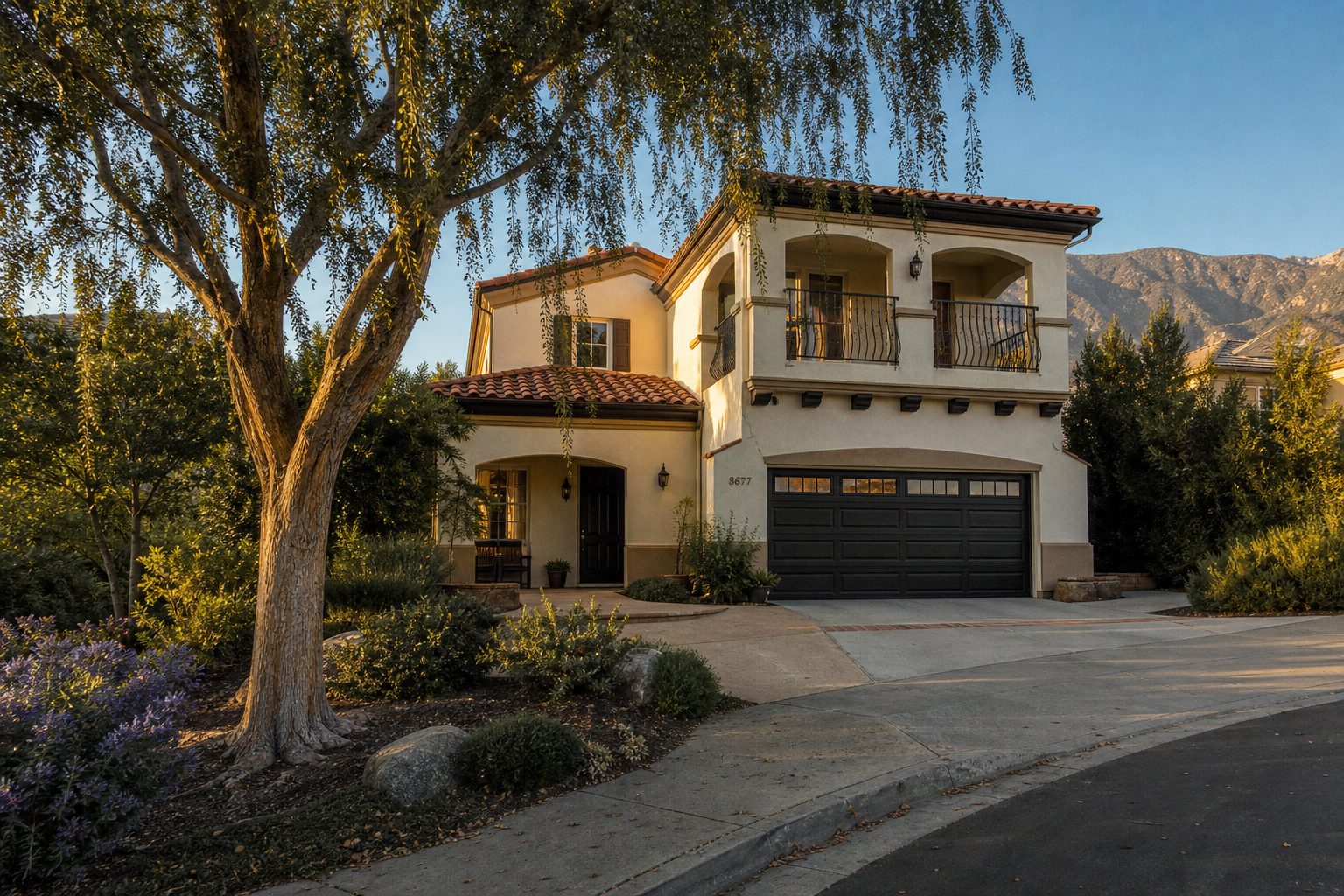
Did I make a mistake buying a house?
Almost certainly not. That sinking feeling after closing is one of the most common experiences in homeownership, and it almost always fades once you separate real problems from normal adjustment. Here is what you need to know and do next.
A first-time homeowner recently shared online that, less than a week after closing, they were convinced they had made a huge mistake. They had put a large down payment on a house with a mortgage rate in the high 6% range while selling the small condo they had owned for years, one with a rate in the 3% range and a payment that had always felt manageable. Almost immediately they discovered problems left behind by the previous owner’s do-it-yourself renovations: a roof with multiple layers of shingles that would need replacing soon, part of the first floor without working heat, and an overloaded electrical setup upstairs. Their utility bills went up, their commute doubled, and they found themselves wishing they could go “home” to the condo. They even wondered about telling their agent they wanted to sell and move on. Their partner, meanwhile, loved the new place.
Many people who responded said the feeling was common, urged the homeowner to give it time, and shared their own versions of the same story. The homeowner ultimately decided to speak with a real estate attorney about the issues they felt had been missed before or during the purchase.
Did you make a mistake buying a house?
Probably not. But that feeling is real, it is extremely common, and it tends to hit hardest in the first few weeks after closing. Most homes come with surprises, and moving from a predictable small payment to a larger one, with a brand-new list of things to fix, is a genuine shock. The key is separating the panic from the actual problems, then making a plan. If you are in that place right now, or you want to avoid it when you buy, keep reading. If you would rather talk through your specific situation first, we are here for that too.
—
Why Buyer’s Remorse in Rancho Cucamonga Is More Common Than You Think
Buyer’s remorse is not a sign you made the wrong decision. It is a predictable psychological response to one of the largest financial commitments most people ever make.
According to a Clever Real Estate survey, 82% of home buyers express regrets about their recent purchase. The most common regret: buying a home that requires too much maintenance. About 28% of buyers said they were shocked at the cost and time needed to maintain their property, with roughly one-third placing some blame on the seller for not being upfront. The second most common regret, cited by 24% of buyers surveyed, was that the home did not meet all their needs.
In other words, if you are feeling this way, you are in the overwhelming majority.
Why does it hit so hard in the first weeks? Because everything changes at once. The payment is higher. The responsibility is entirely yours. The adrenaline of the search and escrow is gone, replaced by a quiet house and a long to-do list. When you add payment shock, especially if you traded a low-rate condo or apartment payment for a higher-rate mortgage on a larger home, the emotional weight can feel crushing.
Then there are the practical jolts: utility bills that are higher than expected, a commute that feels longer than it did on the test drive, and the sudden awareness of every creak, drip, and unfinished corner. With a background in emergency medical services, we know that panic makes every problem look bigger than it is. The first step is always the same: slow down and assess.
According to NAR’s 2025 Profile of Home Buyers and Sellers, the median age of first-time home buyers has reached 40, an all-time high, and first-time buyers made up just 21% of the market, the lowest share since NAR began tracking in 1981. What this means for you: the people buying their first home today are not impulsive. They have saved longer, researched harder, and waited. The remorse, when it comes, is not about poor judgment. It is about the gap between expectation and reality.
—
The Biggest Fears First-Time Buyers in Rancho Cucamonga Face
First-time buyers across the Inland Empire tend to carry the same handful of fears into escrow and sometimes well past closing. Here is an honest look at each one.
“Did I overpay?”
Rancho Cucamonga median home prices vary significantly by neighborhood. As of October 2026, the median price for a single-family home citywide is around $765,000, per PropertyFocus data. But the range is enormous. Alta Loma, in the foothills, has seen median sales around $1,075,000. The Etiwanda and North Etiwanda area runs roughly $1.1 million to $1.157 million in median listing prices. Terra Vista, with its walkable master-planned layout, trends around $649,000 to $674,000. Victoria, centrally located near Victoria Gardens, sits around $632,500, and southwest Rancho Cucamonga, the city’s most attainable entry point, runs in the mid-$500,000s to mid-$600,000s (per carlosandpatrealestate.com, spring 2026 data).
Whether you overpaid depends entirely on the specific home, its condition, and the comparable sales at the time you closed, not a citywide headline number. Your agent should have pulled those comps before you made your offer, not after.
“My rate feels too high.”
The 30-year fixed-rate mortgage averaged 7.32% as of October 22, 2026, according to Freddie Mac’s Primary Mortgage Market Survey, down slightly from the prior week’s 7.40%. A year earlier, that same average was around 6.19%.
That is a meaningful difference in your monthly payment. But perspective matters. The all-time record high was 18.63% in October 1981 (per Freddie Mac). The all-time record low was 2.65% in January 2021. The long-term average since Freddie Mac began tracking in 1971 sits well above where rates are today. We cover rate history in full below.
“There are hidden problems I didn’t know about.”
About 35% of first-time buyers face unexpected issues after closing, according to surveys synthesized from multiple sources. The average cost of surprise repairs has been reported around $5,356. A standard home inspection is a starting point, not a finish line. We cover what inspections do and do not catch later in this post.
“My payment is higher than I thought.”
The mortgage payment is only part of the picture. Property taxes in San Bernardino County, homeowner’s insurance, HOA dues, Mello-Roos (extremely common in newer Rancho Cucamonga communities), and utilities all add to the monthly total. With the effective property tax rate at 0.71% in Rancho Cucamonga, per local tax data, and many newer communities carrying CFD special taxes on top of that, the gap between what a mortgage calculator says and what your actual outgoing total is can be hundreds of dollars per month.
“What if the market drops?”
Industry analysts broadly agree that a housing market crash is unlikely in 2026. The current conditions in Rancho Cucamonga represent a normalization after years of constrained supply and elevated prices, not a bubble about to burst, per multiple market forecasts compiled from research sources. The city’s homeownership rate is 62.3%, per U.S. Census ACS data. With a median household income of $111,895, which is 13% higher than the California state average (per statedemographics.com, citing ACS), Rancho Cucamonga’s demand base is supported by strong local incomes.
There are 36,065 properties in Rancho Cucamonga with more than 50% equity and only 82 properties in pre-foreclosure, per PropertyFocus data. That is a 0.18% distress rate. This is not 2008.
“The wind and the wildfire risk worry me.”
This is a legitimate concern unique to Rancho Cucamonga’s foothill communities, particularly in Alta Loma and Etiwanda Heights. We have written about this in detail. For a deep dive, see our guide on Rancho Cucamonga’s wind conditions and housing market.
—
A 60-Year Look at the Rancho Cucamonga Housing Market
Markets cycle. Long-term homeowners have historically weathered the swings. Here is what the past six decades look like for context, not as a prediction but as perspective.
- Late 1960s and 1970s: Inflation surged nationwide. Mortgage rates rose sharply. In 1978, California passed Proposition 13, capping annual property tax increases at 2% for existing homeowners, a law still in effect today.
- Early 1980s: Mortgage rates hit their all-time peak. Freddie Mac recorded an 18.63% average 30-year fixed rate in October 1981. Buying a home felt impossible for many families. Those who did buy at those rates and held on built significant equity as rates eventually fell.
- Late 1980s and early 1990s: The savings-and-loan crisis, followed by a sharp California housing downturn. Southern California home values dropped. Recovery was slow. Rancho Cucamonga, which had incorporated as a city in 1977 by combining the communities of Alta Loma, Cucamonga, and Etiwanda, was still a growing city building its identity.
- 2000s boom: Easy lending and rapid appreciation. The Inland Empire experienced some of the fastest price growth in the country.
- 2008 financial crisis: The foreclosure wave hit the Inland Empire harder than almost any region in America. Home values in parts of Rancho Cucamonga dropped dramatically. Many families lost their homes.
- 2012 and beyond: A long, steady recovery. By the mid-2010s, prices in Rancho Cucamonga had regained most of their pre-crisis value.
- 2020 and 2021: Pandemic-driven record-low rates (2.65% in January 2021, per Freddie Mac) fueled a historic buying frenzy. Prices surged. Competition was extreme.
- 2022 through 2026: Rates climbed from historic lows to the 7% range. Sales volume cooled. Prices stabilized. As of 2026, the market is balanced, with homes taking longer to sell and price reductions becoming more common: the share of Rancho Cucamonga listings with price reductions climbed from 45.78% to 58.11%, per January 2026 market data.
The takeaway is not that markets always go up. It is that they always cycle, and owners who hold through the cycles have historically come out ahead. That said, past performance is not a guarantee of future results.
—
Mortgage Rates Then vs. Now: Putting Rancho Cucamonga Payments in Perspective
You have probably heard the phrase “marry the house, date the rate.” It is common advice that suggests buying the right home matters more than getting the perfect rate, because you can refinance the rate later. That is worth considering, but a word of caution: refinancing depends on future rates, which no one can predict with certainty.
Here is the historical rate data that matters:
[CHART: 30-Year Fixed Mortgage Rates 1971 to 2026, from Freddie Mac PMMS. Brent to insert image.]
Key data points from Freddie Mac Primary Mortgage Market Survey (annual averages, rounded):
- 1971: ~7.3% (Freddie Mac begins weekly tracking)
- 1975: ~9.0%
- 1981: ~16.6% (annual average; the weekly peak hit 18.63% in October 1981)
- 1985: ~12.4%
- 1990: ~10.1%
- 1995: ~7.9%
- 2000: ~8.1%
- 2005: ~5.9%
- 2010: ~4.7%
- 2015: ~3.8%
- 2020: ~3.1%
- 2021: ~3.0% (weekly low of 2.65% in January 2021)
- 2023: ~6.8% (weekly peak near 7.79% in October 2023)
- October 22, 2026: 7.32% (weekly average, per Freddie Mac PMMS)
Source: Freddie Mac Primary Mortgage Market Survey. Annual averages; figures rounded.
What does this tell you? Today’s rates feel painful compared with 2020 and 2021, but they are well within the historical range and far below the peaks of the early 1980s. The 2020-2021 rates were the anomaly, not the norm.
—
Pros and Cons of Buying Your First Home in Rancho Cucamonga
This is not a decision that should be made purely on emotion. Here is a balanced view.
Pros:
- Equity building. Every payment puts a portion toward ownership. Renters build nothing.
- Stability. Your housing cost is largely fixed (excluding taxes, insurance, and maintenance). Rent increases every year.
- Control. You choose the paint color, the landscaping, and the upgrades.
- Potential tax benefits. Mortgage interest and property tax deductions may reduce your tax liability. Consult a tax professional for your specific situation.
- Community roots. Owning in Rancho Cucamonga means putting down roots in a city with strong schools, newer neighborhoods, mountain views, and a solid Inland Empire location.
Cons:
- Upfront costs. Down payment, closing costs, and reserves add up.
- Maintenance responsibility. Everything is on you. Budget accordingly.
- Less flexibility. Selling a home takes time and money. If your job or life changes, you cannot give 30 days’ notice.
- Payment risk. Property taxes, insurance premiums, and HOA/Mello-Roos assessments can rise over time, even with a fixed-rate mortgage.
- Opportunity cost. The money tied up in your down payment could have been invested elsewhere.
—
New Construction vs. Resale Homes in Rancho Cucamonga
Rancho Cucamonga has both established neighborhoods and active new-construction communities, particularly in the Etiwanda Heights area and along the Day Creek corridor. Here is what to weigh.
New Construction
- Typically carries Mello-Roos/CFD special taxes that can add hundreds of dollars per month to your effective housing cost
- Often includes HOA dues
- Comes with a builder warranty (typically 1 year on workmanship, 2 years on mechanical systems, 10 years on structural, though terms vary)
- Smaller lot sizes compared with older neighborhoods
- No mature landscaping; you start from bare dirt or basic sod
- Modern floor plans, energy efficiency, and current building codes
- Builder-grade finishes are standard; upgrades add cost
- Construction timelines can delay move-in
Resale Homes
- Established neighborhoods like Alta Loma, Terra Vista, and Victoria often have larger lots and mature trees
- Generally no Mello-Roos (or the original Mello-Roos may have expired or be nearly paid off)
- Lower or no HOA in many older communities
- May require updates (roof, HVAC, plumbing, electrical) depending on age
- What you see is what you get; no construction delays
- Location in more central parts of the city, often with shorter commutes to the 210 and 10 freeways
Neither option is inherently better. The right choice depends on your budget for total monthly cost (not just the mortgage), your tolerance for maintenance, and where in Rancho Cucamonga you want to live.
—
No Home Is Perfect, and That Is Okay
Every home has tradeoffs. The key is knowing the difference between the kinds of issues you will encounter.
Cosmetic Issues
Things like outdated paint colors, old carpet, brass fixtures, or a kitchen that is not your style. These are not problems. They are projects you tackle over time, at your own pace.
Deferred Maintenance
Items like an aging water heater, worn weatherstripping, gutters that need cleaning, or a furnace that is past its expected lifespan but still functioning. These are predictable costs. Budget for them.
Red Flags
Active foundation cracks that are growing, evidence of water intrusion in walls or ceilings, unpermitted structural work, knob-and-tube wiring still in use, or polybutylene plumbing. These may require immediate attention and significant expense. They are also the items most likely to trigger buyer’s remorse after closing.
The goal is not to find a house with zero issues. That house does not exist. The goal is to know exactly what you are walking into before you close.
—
How to Pick the Right House in Rancho Cucamonga
Here is a checklist that turns “I hope this works out” into “I know what I’m getting.”
- Budget for the full monthly cost. Add principal, interest, property taxes, homeowner’s insurance, HOA dues, Mello-Roos/CFD taxes, and estimated utilities. Then add a maintenance reserve of at least 1% of the home’s value per year.
- Commute test drive at rush hour. Drive from the house to your workplace during morning rush. The difference between a Saturday drive and a Monday at 7:30 a.m. on the 210 freeway is significant.
- Visit at night and on a windy day. Rancho Cucamonga’s Santa Ana winds are a real factor, especially in foothill communities. You want to know what the property feels like under real conditions.
- Research the neighborhood by address, not by name. School assignments, flood zones, fire severity zones, and HOA boundaries all depend on the specific address.
- Request the full CFD/Mello-Roos disclosure before making an offer. Do not let this be a surprise after closing.
- Ask for 12 months of utility bills. Not the seller’s estimate. The actual bills.
- Order specialist inspections beyond the general inspection. See the next section.
- Check permits for past renovations. Unpermitted work is one of the most common sources of buyer’s remorse. The City of Rancho Cucamonga building department can verify permit history.
- Leave a repair cushion in savings. Do not spend every dollar you have on the down payment and closing costs. You will need reserves.
—
What a Home Inspection Does and Does Not Catch
A standard California home inspection is a visual, non-invasive examination of the home’s major systems: roof (from the surface), structure, electrical, plumbing, HVAC, and major appliances. It is performed according to the standards of practice set by organizations like the American Society of Home Inspectors or the California Real Estate Inspection Association.
What it does not typically cover:
- Sewer line condition. A sewer scope uses a camera to inspect the lateral line from the house to the street. In Rancho Cucamonga, older homes may have clay or Orangeburg pipes that are prone to root intrusion and collapse.
- Roof underlayment and sub-layers. The inspector can assess the surface, but not what is underneath without removing material.
- Behind walls. Mold, pest damage, or faulty wiring inside walls is generally not visible without invasive testing.
- Pool and spa equipment. Requires a specialist.
- Chimney interior. A Level II chimney inspection is recommended if you plan to use a fireplace regularly.
- Geological and soil conditions. Particularly relevant in hillside areas of Alta Loma and Etiwanda.
Specialist inspections worth requesting in Rancho Cucamonga:
- Sewer line scope
- Roof certification (especially on homes over 15 years old)
- HVAC specialist evaluation
- Pest/termite (Section 1 and Section 2)
- Foundation specialist (for older homes or any home showing cracks)
- Electrical panel evaluation (especially for older homes with Federal Pacific or Zinsco panels)
Attend the inspection. Read the full report. Use your contingency period to negotiate repairs or credits, or to walk away if the findings are beyond what you are comfortable with. Your California purchase agreement typically provides inspection, appraisal, and loan contingencies with specific timelines. Use them.
—
Already Bought a Home in Rancho Cucamonga and Panicking? Do This First
If you are reading this post-closing, take a breath. Here is your action plan.
1. Pause before making big decisions. Do not list the house for sale in the first month. The emotional intensity of this period almost always fades. 2. Make a list of every issue. Write them all down. Then separate them into three categories: urgent (safety or water-related), maintenance (needs attention within the year), and cosmetic (can wait). 3. Get contractor bids for the urgent items. Do not guess at costs. Get real numbers. 4. Check what is under warranty. If you have a home warranty policy, review what it covers. If the home is new construction, review your builder warranty terms. 5. Review your disclosures and inspection report. Did any of the current issues appear in the seller’s disclosures or your inspector’s report? If so, the issue was disclosed. If you believe something material was not disclosed, consult a licensed real estate attorney. We are not attorneys and cannot give legal advice on this topic. 6. Build a repair timeline and budget. Not everything needs to be fixed this month. Spread it out over six to twelve months. 7. Give it time. Seriously. Most buyers who felt buyer’s remorse at closing feel entirely different about their home within six to twelve months.
—
Back to Our First-Time Buyer
Remember the homeowner from the opening of this post? The one who was ready to sell and go back to their condo? Most of the issues they described, the roof, the heating, the electrical, are fixable. They may not be cheap, but they are the kind of problems that contractors solve every day. The emotional weight of discovering them all at once, while adjusting to a bigger payment and a longer commute, is what made it feel catastrophic.
That homeowner made the right call talking to a real estate attorney about the disclosure concerns. Beyond that, the path forward usually involves getting bids, making a plan, and letting the house become home at its own pace.
If you are in a similar spot, you are not stuck. You are adjusting. And if you are still in the shopping phase and want to make sure you do not end up in that situation at all, the checklist above is your best insurance.
—
Frequently Asked Questions About Buying a Home in Rancho Cucamonga
Is it normal to regret buying a house?
Yes. According to a Clever Real Estate survey, 82% of recent home buyers expressed some form of regret about their purchase. The feeling is most intense in the first few weeks after closing and typically fades as you settle in, address repair items, and adjust to the new budget.
How long does buyer’s remorse last after buying a house?
For most buyers, the acute feeling of regret lasts a few weeks to a few months. It tends to peak when the first round of unexpected costs hits, like a repair bill or a higher-than-expected utility bill. Within six to twelve months, most homeowners report feeling settled and positive about their decision.
Can you back out of buying a house after closing?
Generally, no. Once you close escrow and the deed is recorded, the sale is final. In rare circumstances involving fraud or material misrepresentation, legal remedies may be available. If you believe something was not disclosed that should have been, consult a licensed real estate attorney.
What should I do if my home inspector missed something?
Review the inspection report carefully to confirm the issue was not noted or disclaimed. If you believe the inspector failed to meet the applicable standard of care, consult a licensed attorney who handles inspection disputes. Inspectors carry errors-and-omissions insurance for this reason.
What are mortgage rates right now compared with history?
As of October 22, 2026, the 30-year fixed rate averaged 7.32%, according to Freddie Mac’s Primary Mortgage Market Survey. That is above the 2021 record low of 2.65% but far below the 1981 record high of 18.63%. The long-term historical average since 1971 has generally been above current levels.
What was the highest mortgage rate in history?
The highest recorded weekly average for the 30-year fixed-rate mortgage was 18.63% in October 1981, according to Freddie Mac’s Primary Mortgage Market Survey.
Is it better to buy new construction or a resale home in Rancho Cucamonga?
It depends on your priorities and total budget. New construction in areas like Etiwanda Heights typically includes Mello-Roos/CFD taxes and HOA dues that significantly increase your monthly cost. Resale homes in established neighborhoods like Alta Loma, Terra Vista, and Victoria often have lower recurring costs and larger lots but may need updates.
What does a home inspection not cover?
A standard inspection is a visual, non-invasive evaluation. It typically does not cover sewer line condition, behind-wall conditions, pool equipment, chimney interiors, or geological issues. In Rancho Cucamonga, a sewer scope and pest inspection are strongly recommended additions.
How much should first-time buyers save for repairs after buying?
A common guideline is to set aside 1% of the home’s value per year for maintenance and repairs. In Rancho Cucamonga, where the median home price is around $765,000 as of October 2026 (per PropertyFocus), that works out to roughly $7,650 per year, or about $637 per month.
Should I give up my low mortgage rate to buy a bigger house?
This is one of the most personal decisions in real estate right now. Many condo and townhome owners in Rancho Cucamonga locked in rates in the 2% to 3% range during 2020 and 2021. Trading that for a rate above 7% on a larger home significantly increases your monthly outflow. Run the full numbers, including all carrying costs, before deciding.
Is now a good time to buy a house in Rancho Cucamonga?
The 2026 market looks more balanced than the frenzy of 2020 through 2022. Inventory is higher, homes are taking longer to sell (averaging around 42 to 63 days depending on the data source and time frame), and price reductions are more common. That gives you more negotiating room and more time to make a careful decision. Whether it is the right time depends on your personal finances, job stability, and timeline.
How do I know if a house is right for me?
Start with the full monthly cost, not just the listing price. Test the commute at rush hour. Visit the property on a windy day and at night. Review permits for past work. Order specialist inspections. And leave a financial cushion after closing. If a house passes all of those tests and feels right, you are in a strong position to move forward.
—
The Bottom Line for Rancho Cucamonga First-Time Buyers
The feeling that you made a mistake buying a house is one of the most common experiences in homeownership, and it is almost never a sign that you actually did. No home is perfect. Every buyer discovers things they did not expect. The difference between panic and confidence is preparation: knowing the full cost before you close, ordering the right inspections, and understanding what it takes to sell a home in Rancho Cucamonga when life circumstances change.
If you are still shopping, use the checklist above to buy with your eyes wide open. If you already bought and you are in the middle of that sinking feeling, slow down, make a list, and take it one item at a time. The house will start to feel like home.
—
Have questions about buying your first home or your next move in Rancho Cucamonga? Let’s talk. Whether you are buying, selling, or just planning ahead, we will give you honest advice and a clear plan.
Get your free home valuation at soldbyblay.com/home-value/ Schedule a consultation at soldbyblay.com/contact
Brent Blay | Sold By Blay | Park Regency Realty | DRE #02068178 📞 909-641-8751 | ✉️ brentblay@parkregency.com | soldbyblay.com Your family deserves the best.
—
*This article is general information, not legal, tax, lending, or financial advice. Consult a licensed professional for your specific situation.*
*Information and data as of October 2026; figures change regularly.*

Leave a Reply