
Why are so many families, professionals, and move-up buyers choosing Rancho Cucamonga right now?
Because for what a small condo costs on the coast, you can own a spacious home with mountain views, top schools, and a genuine community here, all while staying connected to Los Angeles by Metrolink and soon by Brightline West high-speed rail.
Why Moving to Rancho Cucamonga Matters Right Now
We are watching a city transform in real time. Rancho Cucamonga sits roughly 37 miles east of downtown Los Angeles at the base of the San Gabriel Mountains, and in 2026, the investments pouring into this community are unlike anything we have seen in decades. A $500 million Reyes Coca-Cola Bottling flagship facility broke ground in February 2026, representing the first Coca-Cola production plant built in California in nearly 60 years. Brightline West high-speed rail will connect Cucamonga Station to Las Vegas. The HART District transit village is taking shape around the station. And brand-new luxury communities like Vinova are drawing buyers who never imagined themselves in the Inland Empire. The window to buy into this growth, before the infrastructure fully arrives and prices reflect it, is exactly right now.
Rancho Cucamonga at a Glance
Here is a quick snapshot to orient you before we go deeper:
- Population: Approximately 178,000 as of 2026, growing at about 0.33% annually, per U.S. Census data
- Location: San Bernardino County’s West Valley, at the I-10, I-15, and SR-210 interchange
- Median Household Income: Approximately $115,345, per U.S. Census ACS, roughly 20% higher than the California statewide median
- Median Home Price (mid-2026): Approximately $765,000 to $830,000 citywide, depending on source and methodology
- Price Per Square Foot: Roughly $408 per square foot as of June 2026
- Homeownership Rate: About 62.3% of occupied units are owner-occupied, roughly 12% higher than the California state average
- School Districts: Alta Loma, Etiwanda, Central, and Cucamonga elementary districts; Chaffey Joint Union HSD
- Rail: Metrolink San Bernardino Line at Cucamonga Station; future Brightline West high-speed rail
- Airport: Ontario International Airport, approximately 10 minutes away
- Climate: Average high of 76°F with about 22 days of precipitation per year
What does all that actually mean for your daily life? It means you are looking at a mature, well-established city with higher incomes than the regional average, strong homeownership culture, and infrastructure that is actively expanding rather than aging.
Moving to Rancho Cucamonga From Los Angeles or Orange County
If you are relocating from the coast, let us talk numbers first, then lifestyle.
The Value Comparison Is Striking
The California Association of REALTORS reported a statewide median home price of $901,420 in August 2026. Rancho Cucamonga’s citywide median sits in the $765,000 to $830,000 range as of mid-2026, depending on the data source. Los Angeles County and Orange County medians routinely exceed $900,000 to $1.1 million. For your budget in Rancho Cucamonga, you are not compromising into a condo. You are buying a four-bedroom home with a yard, a two- or three-car garage, and in many foothill neighborhoods, a view of the San Gabriels from your kitchen window.
Prices in the foothill Alta Loma and Etiwanda neighborhoods typically run above the citywide median, while south Rancho Cucamonga offers the most attainable entry points.
The Commute Reality
We believe in giving you honest answers, not a sales pitch. Metrolink from Cucamonga Station to L.A. Union Station runs approximately 75 to 90 minutes. By car, you are looking at 20 to 30 minutes in light traffic, but 45 to 75 minutes during peak commute hours. Westbound I-210 and I-15 traffic toward L.A. runs heavy from roughly 3 to 7 PM.
But here is what has changed the calculation permanently: hybrid work. If you are commuting to a coastal office two or three days a week, the Metrolink San Bernardino Line becomes genuinely practical. You sit, you decompress, you arrive. The Omnitrans ONT Connect shuttle also links Cucamonga Station to Ontario International Airport, adding flexibility for business travel. For employment centers in Ontario, Fontana, or western San Bernardino County, many buyers find their commute drops under 20 minutes.
What you leave behind is density, smaller lots, and the constant noise of coastal urban life. What you gain is a backyard where your kids can play, room to breathe, and a horizon defined by mountain peaks rather than the next apartment building.
Moving to Rancho Cucamonga From Out of State
If you are arriving from Texas, Arizona, Nevada, or anywhere beyond California’s borders, welcome. Here are the California-specific realities you need to understand.
Cost of Living Context
The cost of living index in Rancho Cucamonga is approximately 159 to 177, depending on the source, compared to a national baseline of 100. Grocery prices are close to the national average, with an index around 101, per U.S. Census and BLS data. Utilities (electricity, gas, water) run higher, with an index near 149. The average monthly rent sits around $4,456, while estimated monthly homeownership costs are approximately $3,473, making buying more affordable than renting in many cases.
California-Specific Items You Need to Know
- Proposition 13 limits annual property tax increases on your assessed value, which benefits you as a buyer once you lock in your purchase price
- HOA dues and Mello-Roos are common in newer Rancho Cucamonga communities, particularly in master-planned developments
- Wildfire insurance is a real consideration in foothill areas. California FAIR Plan rates are rising an average of 29.1% effective October 15, 2026, so you need to budget for this and discuss coverage options before you close
- Earthquake preparedness is part of life in Southern California; retrofitting and insurance are worth researching early
Why does Rancho Cucamonga stand out within Southern California for out-of-state buyers? Because you get the climate, the proximity to mountains and coast, and the economic opportunity of the greater L.A. metro, but without paying coastal L.A. prices. Ontario International Airport is about 10 minutes from most neighborhoods, and with 87.1% of residents commuting by car according to U.S. Census data, the road infrastructure is built for suburban living.
Moving From Elsewhere in California or the Inland Empire
If you already live in the Inland Empire and you are looking to upsize, Rancho Cucamonga’s foothill neighborhoods, particularly Alta Loma and Etiwanda, represent the natural move-up path. You stay close to family, work, and community while stepping into a larger home on a bigger lot. The Alta Loma median list price was approximately $1.02 million as of March 2026, and the Etiwanda median list price was approximately $1.4 million as of September 2026, offering significant quality for buyers stepping up from the $600,000 to $800,000 range in surrounding cities like Fontana, Ontario, or Upland.
Rancho Cucamonga Neighborhood Guide for 2026 Buyers
Understanding the neighborhoods is everything when choosing where to land. Values in this city range from approximately $254,586 to over $5.2 million, per RealtyTrac data, so the right neighborhood match matters enormously.
Alta Loma
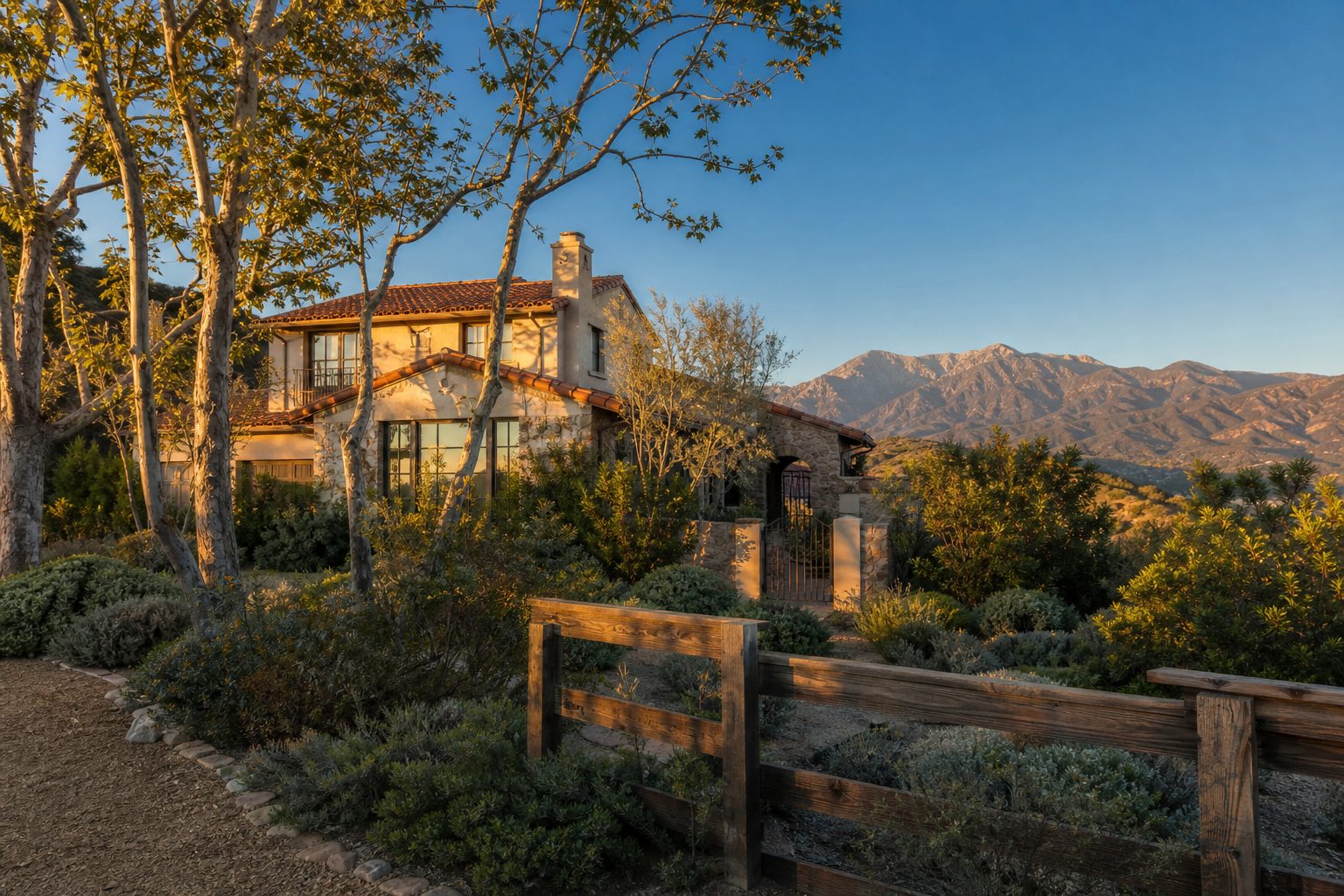
Established foothill neighborhoods with larger lots, mountain views, and many homes without HOAs. This area carries a premium above the citywide median and tends to attract buyers who want character, space, and privacy. Mature landscaping and equestrian-friendly properties are part of the charm.
Etiwanda and North Etiwanda
Newer luxury homes, highly regarded schools within the Etiwanda School District, and access to foothill trails. Etiwanda draws families willing to invest in top-tier school access and newer construction. This is also where some of the city’s density and growth debates center, particularly around the Etiwanda Heights plan.
Victoria and Terra Vista
Master-planned communities with parks, walkability, and proximity to Victoria Gardens, the lifestyle center that functions as Rancho Cucamonga’s de facto downtown. Shopping, dining, a library, and the Lewis Family Playhouse performing arts center are all within walking distance. These neighborhoods suit families and professionals who want a self-contained, amenity-rich daily life.
South Rancho Cucamonga
The most attainable price points in the city. Close to Metrolink at Cucamonga Station, close to jobs, and positioned to benefit from the HART District transit village development. For first-time buyers and those prioritizing transit access, this area deserves serious consideration.
New Construction: Vinova
Vinova is a new master-planned community of approximately 354 homes by Lennar and Toll Brothers, with pricing from roughly $1.4 million to over $2 million. This is the luxury new-construction option for buyers who want everything brand new, with modern floor plans and community amenities.
Schools and Families in Rancho Cucamonga
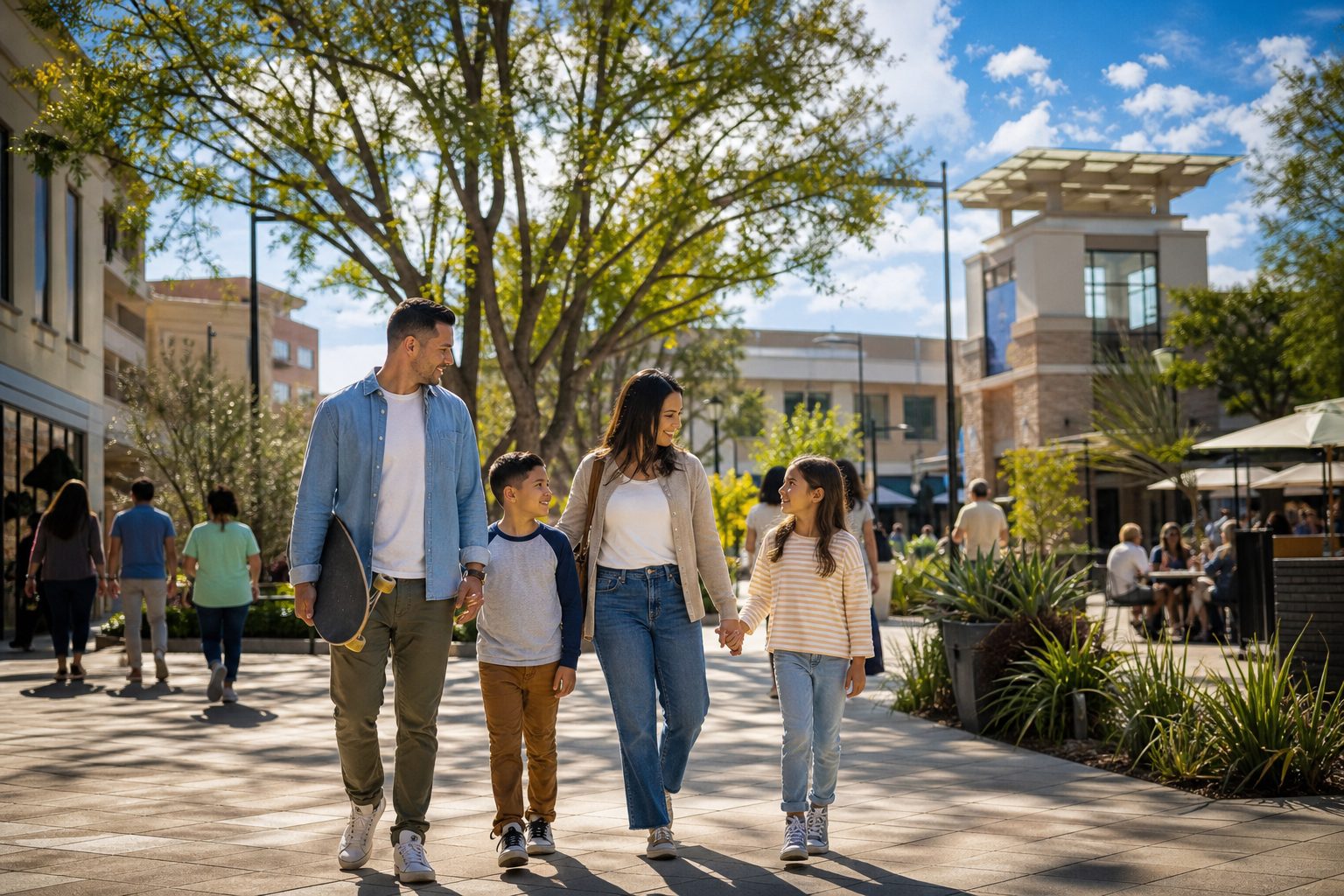
You have four elementary school districts (Alta Loma, Etiwanda, Central, and Cucamonga) feeding into the Chaffey Joint Union High School District. School quality is one of the top reasons families relocate here, and the community investment in education shows in ways both large and small. In September 2026, the city funded the All Kids Bike kindergarten learn-to-ride program at Terra Vista Elementary and four other schools with a $45,000 investment, a story that drew national AP coverage. Parks and youth sports infrastructure are robust, and the city’s median age of 37.9 (close to the national median, per Census data) reflects a population anchored by working families.
Rancho Cucamonga’s Economy and Job Growth in 2026
The economic story here goes well beyond residential real estate. The Reyes Coca-Cola Bottling flagship plant, a roughly $500 million, 620,000-square-foot manufacturing and distribution center, broke ground in February 2026 and represents a generational investment in the local employment base. Rancho Cucamonga’s logistics, industrial, and retail sectors form a strong foundation, anchored by Ontario International Airport’s proximity and the city’s freeway access. Victoria Gardens serves as both a retail destination and an employment center, and newer dining additions like Seasons 52 (the first Inland Empire location, opened November 2025) and Primecut Taqueria (opened September 2026) reflect a maturing food and entertainment scene.
Major Developments Shaping Rancho Cucamonga’s Future
- Brightline West High-Speed Rail: A high-speed rail line reaching up to approximately 200 mph will connect Las Vegas, the High Desert, and Cucamonga Station, with Metrolink transfers to L.A. Anticipated opening in the late 2020s. Learn more about how this growth is reshaping the 2026 housing market.
- HART District Transit Village: Mixed-use development taking shape around Cucamonga Station, designed to create a walkable, transit-oriented neighborhood
- West Valley Connector: A bus rapid transit project with service anticipated in the near future
- Reyes Coca-Cola Flagship Plant: The first Coca-Cola production facility built in California in nearly 60 years
- Vinova: 354-home luxury master-planned community by Lennar and Toll Brothers
- Faultline Festival: The city’s inaugural music festival (October 16 to 17, 2026) featuring Bush and Dustin Lynch, a sign of the city’s growing entertainment identity
Lifestyle in Rancho Cucamonga: Food, Entertainment, and the Outdoors
Victoria Gardens functions as the city’s downtown hub, offering shopping, dining, the Lewis Family Playhouse, and community gathering space. The Rancho Cucamonga Quakes play at the Epicenter, giving families affordable live baseball. The San Gabriel foothill trails and the Pacific Electric Trail provide walking, cycling, and hiking access right from your neighborhood. The Cucamonga Valley wine heritage adds character, and community events, from yard sales to Fourth of July celebrations, reflect a city where neighbors actually know each other.
The Honest Tradeoffs of Living in Rancho Cucamonga
We would not be doing our job if we only highlighted the positives. Here is what you need to plan for:
- Summer heat: Temperatures regularly push into the high 90s and above. Air conditioning is not optional
- Santa Ana winds and wildfire risk: Foothill areas carry real fire risk. California FAIR Plan rates are increasing an average of 29.1% on October 15, 2026. We help buyers research insurance costs before they write an offer
- Traffic: If you are commuting to coastal job centers daily, the drive will test your patience. Plan hybrid schedules whenever possible
- HOA and Mello-Roos fees: Newer communities, including Vinova, often carry both. These can add several hundred dollars per month to your housing cost. Ask for the full disclosure before you fall in love with a floor plan
Buying a Home in Rancho Cucamonga: What to Know in 2026
Market Conditions
The market has shifted toward balance. As of mid-2026, homes are selling for roughly 98% to 99% of asking price, with about 34% of homes selling above list price and about 34% of listed homes dropping their price, per recent market data. Median days on market have increased compared to last year, giving you more negotiating room than buyers had in 2023 or 2024.
The 30-year fixed mortgage rate sat at approximately 6.09% as of the week of February 12, 2026, per Freddie Mac’s weekly survey. Rates have fluctuated through the year, so locking in at the right moment matters.
Resale vs. New Construction
Resale homes in established neighborhoods like Alta Loma offer larger lots, mature trees, and no Mello-Roos. New construction at Vinova offers modern floor plans, energy efficiency, and builder warranties but comes with higher price points and additional tax district fees. We walk every buyer through both options to find the right fit.
Your Relocation Support
Whether you are across town or across the country, we coordinate virtual tours, neighborhood consultations, and the sale of your current home to ensure a seamless transition. With 8 years of experience serving Rancho Cucamonga, Alta Loma, Etiwanda, Upland, Fontana, Ontario, and the broader Inland Empire, and rated 4.9 out of 5 stars by past clients, we have built our practice around protecting families during the most significant financial decisions of their lives. If you are selling a home in probate, facing a life transition, or simply seeking guidance, we are here to help.
Frequently Asked Questions About Moving to Rancho Cucamonga
Is Rancho Cucamonga a good place to live in 2026?
Yes. The city combines a median household income of approximately $115,345 (per U.S. Census ACS), a homeownership rate of about 62.3%, highly regarded school districts, mountain access, and major economic investments. The quality of life here rivals many coastal communities at a significantly lower price point. For resources on homeownership and financial planning as you prepare to move, explore homebuying essentials.
How far is Rancho Cucamonga from Los Angeles?
Roughly 37 miles east of downtown L.A. By car, that means 20 to 30 minutes without traffic, or 45 to 75 minutes during peak hours. Metrolink from Cucamonga Station to L.A. Union Station runs approximately 75 to 90 minutes.
What is the average home price in Rancho Cucamonga in 2026?
The citywide median home price ranges from approximately $765,000 to $830,000 as of mid-2026, depending on the data source and methodology. Foothill neighborhoods like Alta Loma and Etiwanda price well above the median, while south Rancho Cucamonga offers the most attainable entry points.

Leave a Reply