
Is Rancho Cucamonga a better place to buy than Eastvale or Chino Hills?
It depends on what your family values most. Rancho Cucamonga offers the widest housing range, transit access, and a true downtown hub, often at a lower median price than either competitor.
Why This Comparison Matters Right Now in Rancho Cucamonga
If you are weighing Rancho Cucamonga against Eastvale or Chino Hills, you are not alone. These three Inland Empire cities consistently appear on the same shortlists for move-up buyers, luxury buyers, and families relocating from Los Angeles or Orange County. With 30-year mortgage rates near 7.03% as of late September 2026 (per Freddie Mac), every dollar of purchase price carries real monthly weight. Choosing the right city is not just a lifestyle decision; it is a financial one.
We work with buyers across all three markets, and what we tell people is this: there is no single “winner.” Each city excels in different areas, and the best choice is the one that aligns with your budget, your commute, and the lifestyle your family actually lives. This comparison is built to help you make that decision with honest data.
The Quick Comparison: Rancho Cucamonga, Eastvale, and Chino Hills Side by Side
Here is how the three cities stack up on key metrics in mid-2026. Because market data varies by source and month, we have noted where each figure comes from.
Rancho Cucamonga (San Bernardino County)
- Median Sale Price: Approximately $765,000 to $826,000, depending on the source and time window (Redfin trailing three months; Orchard recent 30 days, as of mid-2026)
- Price Per Square Foot: Roughly $408 to $427 (Redfin and Orchard, mid-2026)
- Median Days on Market: 26 to 63 days (varies by source and month)
- Typical Home Age: 1970s through 2020s (wide range)
- Luxury Pockets: Alta Loma, Deer Creek, North Etiwanda, Vinova new construction
- Metrolink Station: Yes (Cucamonga Station), plus future Brightline West high-speed rail
- School Districts: Alta Loma, Etiwanda, Central, and Cucamonga elementary districts; Chaffey Joint Union High School District
- Standout Amenities: Victoria Gardens, Pacific Electric Trail, North Etiwanda Preserve
Eastvale (Riverside County)
- Median Sale Price: Approximately $850,000 to $892,500 (Orchard recent 30 days; Resideline across 206 closings, August 2026)
- Median Days on Market: Approximately 24 to 72 days (varies by source)
- Typical Home Age: 2000s through 2020s (predominantly newer construction)
- Luxury Pockets: Upper-end newer tracts
- Metrolink Station: No direct station
- School District: Corona-Norco Unified School District
- Standout Amenities: 22 parks, Santa Ana River Trail proximity, newer retail centers
Chino Hills (San Bernardino County)
- Median Sale Price: Approximately $960,000 to $1,020,000 (Orchard recent data; Houzeo January 2026)
- Price Per Square Foot: Roughly $449 to $525 (multiple mid-2026 sources)
- Median Days on Market: 22 to 70 days (varies by source)
- Typical Home Age: 1980s through 2010s
- Luxury Pockets: Hillside view estates with valley and OC panoramas
- Metrolink Station: No direct station
- School District: Chino Valley Unified School District
- Standout Amenities: Chino Hills State Park (14,000+ acres), The Shoppes at Chino Hills
Market data as of mid-2026 from Redfin, Orchard, Resideline, and Houzeo. Figures change monthly; consult your agent for current MLS data.
Why Rancho Cucamonga’s Median Price Is Lower, but Its Luxury Ceiling Reaches Higher
This is one of the most important things to understand about Rancho Cucamonga: the citywide median gets pulled downward by a genuinely wide mix of housing types. Condos, townhomes, and entry-level single-family homes in the south and central areas create accessible price points that Chino Hills simply does not offer.
But the upper end of Rancho Cucamonga competes with anything in the Inland Empire. According to neighborhood-level tracking data, Deer Creek leads at a typical value of roughly $1.67 million. The northern foothill areas, including Alta Loma north of 19th Street, command prices ranging from $1 million to $2.5 million or more on equestrian-zoned lots. Terra Vista and Victoria neighborhoods typically fall between $700,000 and $1 million, while central Cucamonga in ZIP 91730 generally ranges from $600,000 to $850,000.
Then there is Vinova in Etiwanda, where Lennar and Toll Brothers have introduced new luxury construction in North Etiwanda, pricing from approximately $1.4 million to over $2 million. These homes feature multigenerational suites, solar, and mountain views that are hard to replicate elsewhere.
So what does this actually mean for you? If you are shopping in the $700,000 to $900,000 range, Rancho Cucamonga gives you the most options of any of these three cities. If you are a luxury buyer looking above $1.5 million, Rancho Cucamonga’s foothill communities deliver estate-level living that neither Eastvale nor Chino Hills can consistently match.
Chino Hills: Hillside Views and Orange County Commute Access
Chino Hills earns its price premium honestly. The average home value sits at approximately $985,223, up 1.5% over the past year, with homes going to pending in around 23 days, according to recent mid-2026 data. In March 2026, 45 homes sold at a median price of $960,000.
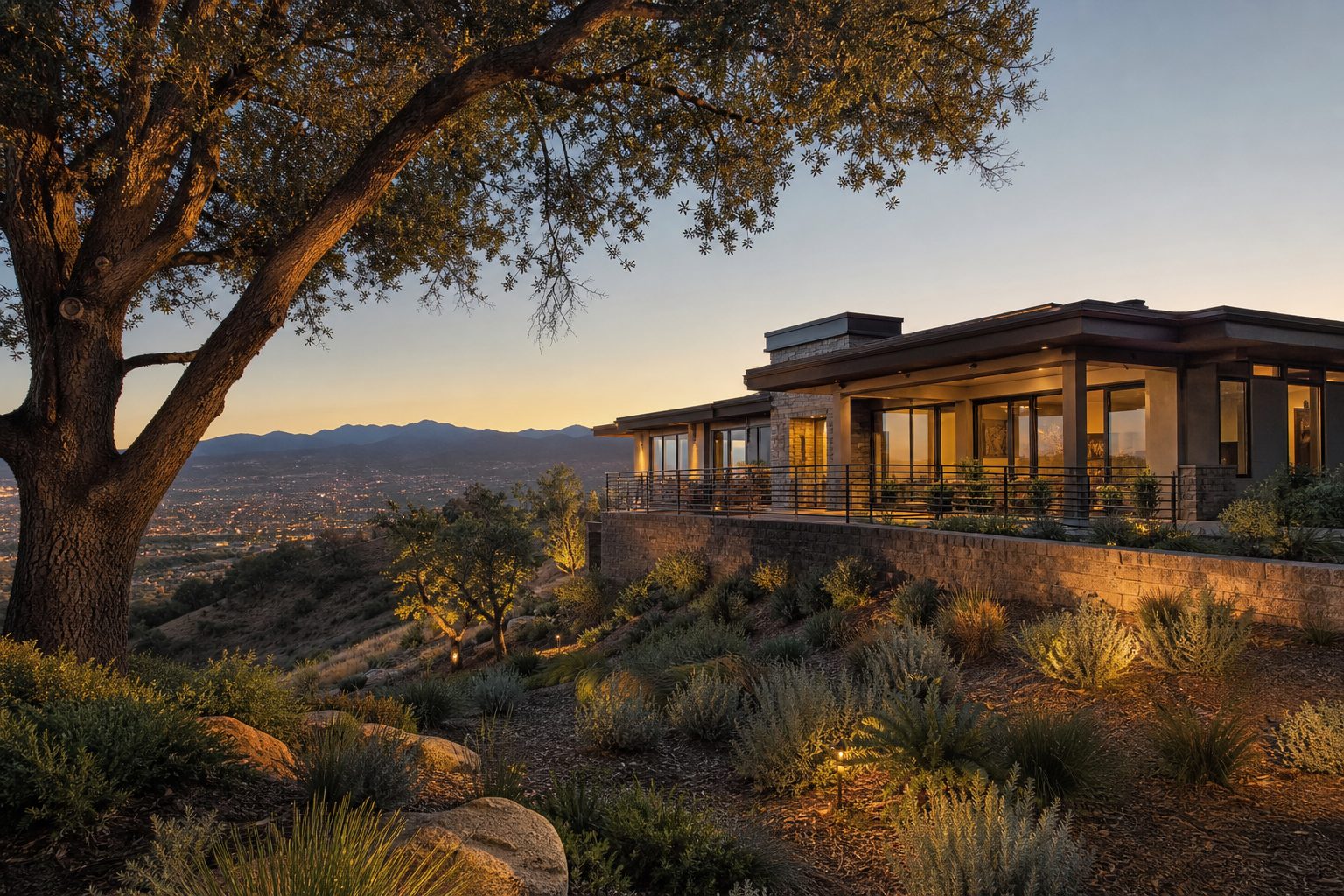
The housing stock here is distinctive. Hillside view lots, cul-de-sacs with panoramic vistas toward Orange County and the valley floor, and a suburban character that feels elevated. Chino Hills State Park, one of the largest urban state parks in California, offers over 14,000 acres of trails directly accessible from residential streets. The Shoppes at Chino Hills along Peyton Drive provides an outdoor lifestyle retail center that anchors the community’s commercial life.
For commuters, Chino Hills has a genuine advantage if you work in Orange County. The SR-71 runs directly south toward the SR-91 and SR-55 corridors, making cities like Anaheim, Brea, or Yorba Linda reachable in roughly 30 to 40 minutes off-peak.
The tradeoffs? You are paying for that access. Chino Hills’ median is roughly $135,000 to $255,000 above Rancho Cucamonga’s, depending on the source. Hillside locations may also carry elevated wildfire exposure and insurance costs, which is worth investigating before you commit. And with months of supply rising from 1.67 to 3.61 year over year (per Houzeo), the market is shifting toward buyers more noticeably here than in the other two cities.
Eastvale: Newer Master-Planned Homes in Riverside County
Eastvale is the youngest of the three cities, having incorporated in 2010, and its housing stock reflects that. If you want a home built within the last 15 to 20 years with modern floor plans, open kitchens, and energy-efficient systems, Eastvale delivers this more consistently than either Rancho Cucamonga or Chino Hills.
Pricing sits in the middle of this comparison. According to Resideline data from August 2026, the median closing price across 206 sales was $877,500. Orchard’s recent 30-day data showed approximately $850,000, down 6.3% year over year.
Eastvale sits in Riverside County, which is an important distinction. Your property tax bill, county services, and special assessments will come from Riverside County rather than San Bernardino County. Because so much of the housing stock is newer and master-planned, Mello-Roos (Community Facilities District) taxes and HOA dues are common. These can add $300 to $500 or more per month on top of your mortgage, depending on the tract. If you are comparing total monthly costs, not just purchase prices, this matters significantly.
One factor that comes up frequently in our conversations with buyers: Eastvale does not have a Metrolink station. If your commute involves rail transit to Los Angeles or you are looking at the upcoming Brightline West high-speed rail connection, Rancho Cucamonga has a clear infrastructure advantage.
Eastvale does offer strong recreational amenities, with 22 parks throughout the city and proximity to the Santa Ana River Trail system. Corona-Norco Unified School District serves the city. The I-15 provides access north and south, and Ontario International Airport is a short drive west.
Rancho Cucamonga: The Widest Range and the Biggest Future Investments
What sets Rancho Cucamonga apart is range, both in housing options and in infrastructure investment. You can find condos and townhomes near the Cucamonga Metrolink Station for buyers who want walkable, transit-oriented living. You can find mid-century ranches in central neighborhoods. And you can find brand-new $2 million estates in the foothills.
Victoria Gardens serves as a genuine downtown hub, something neither Eastvale nor Chino Hills has in the same way. The Pacific Electric Trail provides miles of walking and biking paths through the city, and the North Etiwanda Preserve offers foothill hiking with waterfall access.
The biggest differentiator looking forward may be transit. Rancho Cucamonga’s Cucamonga Station already provides Metrolink commuter rail service. Brightline West and the future of the Inland Empire housing market, the high-speed rail project connecting Las Vegas to the Inland Empire, is anticipated to include a station at this location. For buyers who value long-term infrastructure investment and its effect on property values, this is a factor that neither Eastvale nor Chino Hills can match.
With a population of 177,603 and a median household income of $85,250 (per Census data), Rancho Cucamonga also offers proximity to Ontario International Airport, access to the I-210, I-10, and I-15 corridors, and a broad mix of neighborhoods from Alta Loma to Etiwanda.
The tradeoffs here are real, too. Foothill properties in the northern reaches carry wildfire exposure and potentially higher insurance premiums. Newer communities within Rancho Cucamonga may include Mello-Roos assessments. And the wide range of housing ages means that some homes will need updates, something particularly relevant if you are inheriting a property and deciding whether to renovate or sell as-is.
Head-to-Head by Priority: Which Rancho Cucamonga, Eastvale, or Chino Hills Neighborhood Fits Your Life?
Rather than declaring a “winner,” here is how each city stacks up by what buyers most commonly tell us they prioritize:
- Luxury and view estates: Rancho Cucamonga’s Alta Loma and Deer Creek foothill communities, or Chino Hills’ hillside neighborhoods
- Newest construction: Eastvale’s master-planned tracts, or Rancho Cucamonga’s Vinova in North Etiwanda
- Lowest entry price: Rancho Cucamonga’s central and south neighborhoods, condos, and townhomes
- Commute to Orange County: Chino Hills via SR-71 to SR-91/SR-55
- Commute to L.A. by train: Rancho Cucamonga (Cucamonga Metrolink Station)
- Frequent flyers: All three are close to Ontario International Airport; Rancho Cucamonga edges it geographically
- Outdoor recreation: Chino Hills State Park for trail running and hillside hikes; North Etiwanda Preserve and Pacific Electric Trail in Rancho Cucamonga
- Walkable dining and shopping: Rancho Cucamonga (Victoria Gardens)
- Lowest Mello-Roos exposure: Older Rancho Cucamonga neighborhoods and established Chino Hills tracts (verify specific addresses)
Costs Beyond the Price Tag: Taxes, Mello-Roos, HOA, and Insurance
Your purchase price is only part of the equation. Here is what to watch in each city:
- Property taxes: Both Rancho Cucamonga and Chino Hills are in San Bernardino County. Eastvale is in Riverside County. Base rates hover near 1% of assessed value statewide, but county and city special assessments vary.
- Mello-Roos/CFD taxes: Common in Eastvale’s newer tracts and in Rancho Cucamonga’s newest communities (including Vinova and The Resort). Can add several hundred dollars per month. Older neighborhoods in all three cities typically do not carry these.
- HOA dues: Most prevalent in Eastvale’s master-planned communities and in Rancho Cucamonga’s condo and townhome developments. Chino Hills HOA costs vary widely by community.
- Wildfire insurance: Foothill and hillside properties in northern Rancho Cucamonga (Alta Loma, North Etiwanda) and upper Chino Hills may face higher insurance premiums or difficulty obtaining coverage. Valley-floor locations in all three cities generally face lower wildfire risk.
What we always recommend is requesting a full cost breakdown, including Mello-Roos, HOA, insurance estimates, and property taxes, before comparing properties across cities. A home that is $50,000 cheaper on paper can easily cost more per month once these factors are included.
For Move-Up Sellers: Selling in One Rancho Cucamonga Neighborhood to Buy in Another City
If you currently own in Rancho Cucamonga and are considering a move to Eastvale or Chino Hills (or vice versa), the coordination between selling and buying matters enormously. In a market where homes in Rancho Cucamonga are selling for approximately 98% to 99.24% of asking price (per Orchard and Houzeo, mid-2026), your existing equity is a powerful tool, but only if you time the transition well.
The same applies if you have inherited a property. A homeowner who purchased at the median price five years ago in Rancho Cucamonga would have gained approximately $102,071 in equity, representing an 18.8% return on investment, according to Amortio. If you are inheriting a property and deciding between selling or holding, understanding what your home is worth right now is the first step.
For probate and inherited properties specifically, California’s stepped-up cost basis rules and homeownership considerations can significantly reduce capital gains tax liability if you sell promptly after inheriting. But carrying costs on a vacant property, including mortgage, taxes, insurance, and maintenance, can erode that equity quickly. The average monthly homeownership cost in Rancho Cucamonga runs approximately $3,473. Every month of delay has a price.
Frequently Asked Questions About Rancho Cucamonga vs. Eastvale vs. Chino Hills
Is Rancho Cucamonga cheaper than Chino Hills in 2026?
Yes, on a median basis. Rancho Cucamonga’s median sale price in mid-2026 ranges from approximately $765,000 to $826,000 depending on the source, while Chino Hills ranges from approximately $960,000 to $1,020,000. That is a difference of roughly $135,000 to $255,000 at the median level. However, Rancho Cucamonga’s luxury foothill communities can match or exceed Chino Hills pricing.
Is Eastvale more expensive than Rancho Cucamonga?
Generally, yes. Eastvale’s median closing price was $877,500 across 206 sales

Leave a Reply