


Why are diesel prices at record highs, and how does it affect the Inland Empire?
California diesel set an all-time record average of $8.4387 per gallon on September 22, 2026, according to AAA, and remains near that level as of early October. Several factors drive the price, including global crude oil markets, refinery output, state fuel specifications, and taxes and fees. Because the Inland Empire is one of the nation’s largest logistics and warehousing corridors, diesel costs here can ripple into deliveries, groceries, moving quotes, home services, and construction.
*Last updated: October 3, 2026*
*For context on California’s gasoline prices and the summer-to-winter blend switch, see our companion post on summer blend vs. winter blend gasoline. That post covers gasoline specifically. This post covers diesel.*
*This article is general information, not financial advice. Fuel prices change daily; check current prices and get written quotes for services. Prices from AAA as of October 2, 2026; prices and regulations change daily.*
Where Diesel Prices Stand Right Now
Here is how diesel averages compare across the region, based on a single AAA data pull dated October 2, 2026:
- Los Angeles, Long Beach: $8.3595 per gallon
- Orange County: $8.2063 per gallon
- Riverside: $8.2367 per gallon
- San Bernardino: $8.2361 per gallon
- California (statewide average): $8.3785 per gallon
And here is how California diesel has moved over time, per AAA:
- Current (10/2/26): $8.3785
- One month ago: $7.4665
- One year ago: $5.1610
- All-time record: $8.4387 (September 22, 2026)
That means California diesel has climbed more than 55% from earlier in 2026, and the current price is close to $3 more per gallon than what drivers were paying this time last year, according to AAA. What does that actually look like in your daily life? We break it down below.
Why Is Diesel So Expensive in California?
Multiple factors, reported by official and industry sources, combine to push California diesel above the national average. We present each one neutrally below.
Crude Oil Prices and Global Market Conditions
Diesel is refined from crude oil. When global crude prices rise, driven by geopolitical events, production decisions by major oil-producing nations, or demand shifts, the cost of diesel at the pump rises with them. California’s average diesel price reached its all-time high in late September, with global energy market conditions cited as a driving factor, according to NBC Bay Area reporting from September 29, 2026.
Refinery Capacity, Maintenance, and Outages
California has limited in-state refining capacity, and when refineries conduct planned maintenance or experience unplanned shutdowns, supply tightens and prices can spike quickly. The Western U.S. is relatively isolated from the nation’s main refining hubs along the Gulf Coast, which contributes to the region’s higher fuel prices. Unlike many other states, California cannot easily import finished diesel from neighboring states that meets its specific fuel requirements.
California’s Fuel Specifications
California requires diesel sold in the state to meet specifications set by the California Air Resources Board (CARB), which are stricter than federal standards. Producing CARB-compliant diesel costs more, and it limits where the state can source supply. As NBC Bay Area reported in late September 2026, strict state fuel standards are among the contributing factors to California’s elevated diesel prices.
Taxes, Fees, and State Program Costs
California’s diesel tax structure includes federal and state excise taxes, state and local sales taxes, and costs associated with environmental compliance programs. The California Department of Tax and Fee Administration (CDTFA) publishes the current excise tax rate, and the California Energy Commission (CEC) reports on total price components. Each of these adds to the per-gallon cost, and together they are a meaningful share of what you pay at the pump.
Inventories, Imports, and Seasonal Demand
When diesel inventories on the West Coast fall below seasonal norms, as tracked by the U.S. Energy Information Administration (EIA), the price gap between California and the national average tends to widen. Additionally, diesel and heating oil are closely related products. As the calendar shifts toward fall and winter, demand for heating oil in other parts of the country can pull on overall distillate supply. Agricultural harvests in California’s Central Valley also rely heavily on diesel-powered equipment, which can increase regional demand in late summer and early fall.
Does the Early Winter-Blend Switch Help Diesel?
You may have heard that Governor Newsom suspended California’s summer-blend gasoline requirement on September 28, 2026, as reported by NBC Bay Area and the San Francisco Chronicle. That action applies to gasoline, not diesel. Diesel does not follow the same summer/winter blend specifications that gasoline does in California. So while the early blend switch may offer some relief at the pump for gasoline buyers, it does not directly lower diesel prices.
That said, if gasoline prices ease, it may slightly reduce overall demand pressure at refineries, which could have an indirect, modest effect on diesel supply. But diesel has its own supply-and-demand dynamics, and we would not count on the blend switch to meaningfully move the needle on your diesel costs.
Why the Inland Empire Feels It More Than Most
So why does this matter so much here in Rancho Cucamonga and across San Bernardino County? The answer is geography, infrastructure, and economics.
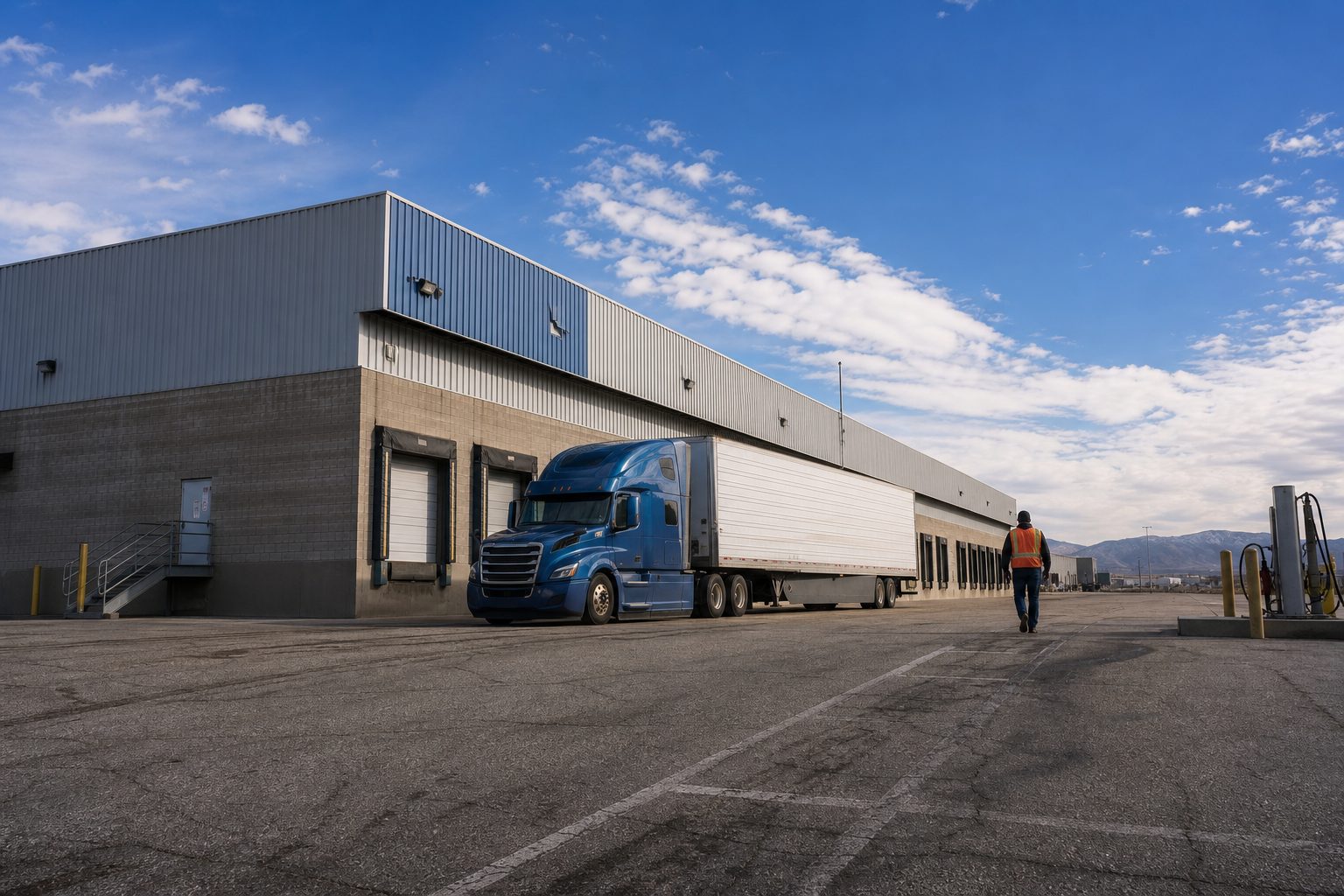
The Inland Empire is the number-one warehouse market in the United States, with over 600 million square feet of industrial space. Much of the goods that come through the Ports of Los Angeles and Long Beach are trucked through our freeways, including the I-10, I-15, and SR-210, all of which run through or near Rancho Cucamonga.
When diesel goes up, trucking companies apply fuel surcharges to their freight rates. These surcharges are typically tied to the Department of Energy’s weekly diesel price index and are passed along at every stage of the supply chain. That means the cost of transporting goods from the ports to local warehouses, from warehouses to retailers, and from retailers to your front door can all increase when diesel spikes.
The Inland Empire’s economy is disproportionately affected by diesel costs compared to coastal California cities because of the sheer volume of goods movement through this corridor. If you live in Rancho Cucamonga, you are at the center of this supply chain, and the effects can show up in ways you might not immediately connect to fuel prices.
How Diesel Prices Can Show Up in Your Everyday Costs
Here is a practical look at where elevated diesel prices can ripple into your household budget and home-related expenses. We use “can” and “may” language here because the degree varies by vendor and contract:
- Deliveries and shipping fees: Online orders, furniture deliveries, and appliance shipments may carry fuel surcharges that rise with diesel prices.
- Groceries and everyday goods: Products transported by diesel-powered trucks, which is nearly everything on store shelves, can see gradual price increases as suppliers pass along higher freight costs.
- Moving costs: If you are planning a move, moving companies typically add fuel surcharges that adjust with diesel prices. When diesel is near $8.40 a gallon, those surcharges can add meaningfully to your total bill.
- Home services: Landscaping, pool maintenance, junk removal, and estate cleanout services all depend on diesel or gasoline to run trucks and equipment. Providers may add surcharges or raise base rates during sustained fuel spikes.
- Construction and remodeling: Building materials like lumber, concrete, drywall, and roofing are transported by diesel-powered trucks. Equipment delivery for renovation projects also carries fuel costs. If you are preparing an inherited property or getting a home market-ready before a sale, these costs can be noticeably higher right now.
- Public transit and school bus operations: Local transit agencies and school districts operate diesel-powered fleets. While they typically absorb fuel costs in their budgets, sustained spikes can affect service levels or future fare structures.
What It Means If You Are Moving, Selling, or Remodeling in Rancho Cucamonga
If you are in the process of selling a home, buying a home, or managing an inherited property in Rancho Cucamonga, here is how diesel prices can factor into your decisions:
Planning a Move
Get moving quotes early and ask specifically about fuel surcharges. Request quotes in writing so you can compare the base rate versus the surcharge component. Some providers lock fuel surcharges at the time of booking, while others adjust them on the day of the move. Knowing which policy applies to your quote can prevent a surprise on moving day.
Pre-Listing Improvements and Repairs
If you are considering renovations before listing, whether on your own home or an inherited property in probate, ask contractors whether their quotes include fuel or delivery surcharges. Building a buffer into your renovation budget is practical right now. In some cases, selling as-is may be a better financial decision than investing in costly improvements when material and delivery costs are elevated. We cover the as-is option in detail in our post on selling a home in probate in Rancho Cucamonga.
New Construction Versus Resale
For buyers weighing new construction, keep in mind that material delivery costs for new builds are also affected by diesel prices. This can influence builder pricing and timelines. Our post on living in Etiwanda with foothill views and top schools walks through the full decision framework for considering new construction and luxury homes in the region.
Knowing What Your Home Is Worth
Whether you are selling, refinancing, or simply planning ahead, understanding your home’s current value in the context of today’s costs is essential. You can get a free, no-obligation home valuation from us at any time.
Practical Ways to Manage the Impact
You cannot control diesel prices, but you can control how you plan around them:
- Bundle deliveries and errands to reduce the number of trips and delivery fees
- Get multiple written quotes for moving, cleanout, landscaping, and contractor work, and ask each vendor to itemize fuel surcharges separately
- Plan large purchases and deliveries ahead rather than paying rush delivery fees during peak pricing
- Ask contractors about material sourcing. Some may have existing inventory at pre-surcharge prices, and timing your project around that can save money
- Consider the hold-versus-sell decision carefully if you own an inherited property. Carrying costs, including rising utility rates linked to energy prices, add up during a lengthy probate. Factor those monthly costs into your timeline

What to Watch Next
We are not going to predict where diesel prices go from here, because no one can do that reliably. But here are the indicators that tend to influence diesel pricing, along with where to check them:
- Crude oil prices: Reported daily by the EIA and financial news outlets
- West Coast diesel inventories: Published weekly in the EIA’s petroleum status report
- Refinery utilization rates: Also available from the EIA, indicating whether refineries are running at or below capacity
- Seasonal demand shifts: Heating oil demand typically rises in late fall and winter, which can affect distillate supply
- State policy changes: The CEC and CARB publish updates on fuel specifications and program costs
We will continue to follow this story and update our community as conditions change.
Frequently Asked Questions
Why is diesel so expensive in California right now?
Several factors are converging, according to reporting from NBC Bay Area and data from AAA and the EIA: global crude oil prices, limited in-state refinery capacity, CARB fuel specifications that restrict where California can source diesel, and the state’s tax and fee structure. Together, these factors pushed California’s average diesel price to a record $8.4387 per gallon on September 22, 2026, per AAA.
What is the record diesel price in California?
California’s all-time record average diesel price is $8.4387 per gallon, set on September 22, 2026, according to AAA. As of October 2, 2026, the statewide average remains near that level at $8.3785.
Why is diesel more expensive than gasoline?
Diesel and gasoline are both refined from crude oil, but diesel requires a different refining process and is subject to its own supply-and-demand dynamics. Diesel also competes with heating oil for the same refinery output. In California specifically, diesel is subject to CARB specifications, state excise taxes, and environmental program costs that contribute to its premium over gasoline.
Does the winter-blend gasoline switch lower diesel prices?
The summer-to-winter blend switch applies to gasoline, not diesel. Diesel does not follow the same seasonal blend specifications in California. While an early gasoline blend switch may ease some refinery pressure indirectly, it is not expected to meaningfully reduce diesel prices on its own.
How much of the price of diesel is taxes in California?
California diesel is subject to both federal and state excise taxes, plus state and local sales taxes and environmental compliance costs. The CDTFA publishes current excise tax rates, and the CEC provides breakdowns of total price components. Together, taxes and fees represent a meaningful portion of the per-gallon price, though the exact share fluctuates with the base price of fuel.
Why does diesel affect grocery and shipping prices?
Nearly everything on store shelves arrives by diesel-powered truck at some point in the supply chain. When diesel prices rise, trucking companies apply fuel surcharges to freight rates, and those costs can be passed along to distributors, retailers, and ultimately to you as higher shelf prices.
Why does the Inland Empire depend so much on diesel?
The Inland Empire is the largest warehouse and distribution market in the United States, with over 600 million square feet of industrial space. Goods arriving at the Ports of Los Angeles and Long Beach are trucked through the IE’s freeway corridors, including the I-10, I-15, and SR-210. This makes the region’s economy, and its residents’ everyday costs, especially sensitive to diesel price changes.
Will diesel prices go down soon?
We cannot predict future diesel prices, and we recommend skepticism toward anyone who claims to. Prices are influenced by crude oil markets, refinery output, inventory levels, seasonal demand, and policy decisions, all of which can change quickly. Monitoring the EIA’s weekly petroleum status report and AAA’s daily fuel gauge are the best ways to stay informed.
How do fuel surcharges work?
Fuel surcharges are fees that trucking, moving, and delivery companies add to their base rates to offset fluctuating fuel costs. They are typically calculated as a percentage or flat fee tied to a published diesel price index, such as the Department of Energy’s weekly average. When diesel prices rise, surcharges rise with them. Always ask whether a quote includes or excludes fuel surcharges.
How can I save on moving costs when diesel is high?
Request quotes in writing from multiple providers and ask each one to break out fuel surcharges separately. Some companies lock surcharges at the booking date, while others adjust on the move date. Booking earlier can sometimes lock in a lower surcharge. Flexibility on your move date, if possible, may also help you avoid peak-demand pricing.
The Bottom Line
Record diesel prices in California are not just a number on the pump. For residents and homeowners across Rancho Cucamonga and the Inland Empire, they can show up in your grocery bill, your moving quote, your contractor’s estimate, and your monthly carrying costs on an inherited property. You cannot control the price of diesel, but you can plan around it by getting written quotes, comparing vendors, building cost buffers into your budget, and making informed decisions about when and how to buy, sell, or renovate.
Understanding the Rancho Cucamonga housing market in context of rising costs can help you time your decisions wisely. Whether you are buying, selling, or just planning ahead, we will give you honest advice and a clear plan.
Have questions about the cost of living in the Inland Empire or your next move? Learn more about us and let’s talk.
Get your free home valuation at soldbyblay.com/home-value
Schedule a consultation at soldbyblay.com/contact
Brent Blay | Sold By Blay | Park Regency Realty | DRE #02068178 909-641-8751 | brentblay@parkregency.com | soldbyblay.com Your family deserves the best.
Written by Sold By Blay at Park Regency Realty, specialists in luxury, probate, and trust real estate in Rancho Cucamonga and the Inland Empire.

Leave a Reply