



How do you sell a parent’s home under a conservatorship in Rancho Cucamonga?
A conservator of the estate can petition the San Bernardino County Superior Court to sell a parent’s home, but the court must find a compelling need for the sale that benefits the conservatee. The process includes notice to family, a court hearing, a probate referee appraisal setting the minimum price, and typically a court confirmation hearing where other buyers may overbid. With the right attorney and the right real estate guidance, it can be handled with patience and dignity.
*This article is general information from a real estate perspective, not legal, tax, or benefits advice. Every conservatorship is different. Consult a California conservatorship or elder law attorney and a CPA about your specific situation. Information and data as of October 2026; figures change regularly.*
—
Why This Matters Right Now in Rancho Cucamonga
According to U.S. Census Bureau estimates as of July 2025, roughly 14.5% of Rancho Cucamonga’s population of approximately 177,856 is 65 years and older. Many of these residents purchased their homes decades ago, and those properties now represent significant equity. As parents age and care needs grow, adult children increasingly find themselves navigating conservatorship proceedings to manage a parent’s estate, including the family home.
Selling under a conservatorship is not like a standard real estate transaction. You are operating under court supervision, with legal obligations that protect your parent’s rights. Understanding the process before you begin can save your family months of confusion and thousands of dollars in carrying costs.
—
What a Conservatorship Means for Your Parent’s Rancho Cucamonga Home
A conservatorship is a court proceeding in which a judge appoints a responsible person, the conservator, to care for an adult who can no longer care for themselves. California law creates two distinct roles:
- Conservator of the person handles decisions about your parent’s daily life, medical care, and living arrangements.
- Conservator of the estate manages your parent’s finances, property, and assets.
Only a conservator of the estate has the legal standing to initiate a sale of real property. Even then, because the home is your parent’s personal residence, the court imposes additional requirements before any sale can move forward. Under California Probate Code Sections 2540 through 2547, the conservator must demonstrate a compelling need for the sale that benefits the conservatee.
How does this differ from probate? Probate occurs after a person passes away. A conservatorship exists while your parent is still living. That distinction affects everything: your parent retains rights, the court actively protects their interests, and tax treatment differs significantly from an inherited property sale. Your parent has a voice in this process, and the court listens.
—
Why Families Sell a Conservatee’s Home in Rancho Cucamonga
You would not be reading this if the decision were easy. The most common reasons families pursue a conservatorship sale include:
- Paying for care. Assisted living, memory care, or round-the-clock in-home care carries substantial monthly costs. When a parent’s income is insufficient for their comfortable and suitable support, maintenance, and care, California law permits the conservator to sell real or personal property of the estate to cover those expenses.
- Carrying costs on a vacant home. Property taxes in Rancho Cucamonga run at an effective rate of roughly 0.71%, per local assessor data. On a home near the citywide median, that translates to several thousand dollars per year, plus insurance, utilities, and maintenance. Those costs add up quickly when the home is sitting empty.
- The court requires a best-interest finding. You cannot sell simply because it seems convenient. The law requires the conservator to select the least restrictive appropriate living arrangement for the conservatee. If keeping the home and providing in-home care is a realistic option, the court will want to know why that was not chosen.
Throughout this process, your parent’s wishes are considered. The court may assign a court investigator to speak with your parent about the proposed sale independently. Selling the home is never automatic; it is a decision the court takes seriously, and your petition must reflect that seriousness.
—
How Court Approval Works Step by Step in San Bernardino County
Under California Probate Code Section 2540, the conservator cannot sell the conservatee’s present or former residence without court authorization. Here is a high-level overview of the steps involved. Your attorney will guide you through the specifics:
1. Discuss the proposed sale with your parent. The court requires notice that a sale has been proposed and that the conservatee’s wishes have been considered. Your petition must state whether your parent supports or opposes the sale, why the sale is necessary, and whether alternatives such as in-home care are available.
2. Notify the court before committing significant resources. Probate Code Section 2540 generally requires the conservator to notify the court before spending estate funds on repairs, staging, or marketing.
3. File a petition under Probate Code Section 2541.5. The conservator must describe the circumstances that necessitate the sale and explain why alternatives are not available. The sale can only be authorized if the court finds, by clear and convincing evidence, that the conservator has demonstrated a compelling need that benefits the conservatee.
4. A court investigator may be assigned. The court, in its discretion, may direct an investigator to discuss the proposed sale with your parent. This step protects your parent’s rights independently.
5. Notice to relatives and interested parties. Your attorney handles the required notice; family members have the opportunity to respond before the hearing.
6. Court hearing and authorization. A judge reviews the petition, considers all evidence, and either authorizes or denies the sale.
7. List the property. Once authorized, the conservator may list the home. A probate referee appraisal, ordered by the court, establishes the minimum acceptable offer.
8. Accept an offer and petition for court confirmation. After accepting an offer, your attorney files a Return of Sale with the court. A confirmation hearing is scheduled, typically 30 to 45 days later, where other buyers may appear and submit overbids.
—
Court Confirmation, Overbids, and the Referee’s Appraisal in Rancho Cucamonga
The overbid process in a conservatorship sale works similarly to a probate sale. Rather than repeat the full mechanics here, we cover court confirmation and overbid procedures in depth in our post on court-confirmed sales and the Independent Administration of Estates Act. We recommend reading that post alongside this guide.
What is specific to conservatorship sales:
- The probate referee sets a floor. A court-appointed probate referee appraises the property, and the minimum acceptable offer is tied to that appraisal. Confirm the current minimum bid formula with your attorney, as it follows California’s statutory requirements.
- Overbidding is real. At the confirmation hearing, any qualified buyer may appear and submit a higher offer according to the statutory formula. This means the buyer you accepted may not ultimately purchase the home. Buyers who understand this process are more likely to participate.
- This shapes your pricing strategy. In a market where, as of June 2026, roughly 58% of Rancho Cucamonga listings experienced price reductions (per aggregated market data), the referee’s appraisal and realistic comparable sales become even more important. If you need a current sense of your parent’s home value before the referee is assigned, our home valuation page is a useful starting point.
—
What to Expect in San Bernardino County
Rancho Cucamonga falls under the jurisdiction of the San Bernardino County Superior Court. Conservatorship and probate matters are handled at the San Bernardino Justice Center at 247 West Third Street in San Bernardino.
Timelines vary, but you should plan for the process to move more slowly than a traditional sale. Between filing a petition, waiting for a hearing date, listing the property, accepting an offer, and then returning for the confirmation hearing, the total timeline can stretch several months. Court scheduling in San Bernardino County fluctuates based on caseload. Your attorney can provide the most current estimates for hearing availability. We coordinate closely with your legal counsel to have the property market-ready as soon as authorization is granted, so no additional time is lost on our end.
—
Preparing Your Parent’s Home and Belongings
We sell all of our properties as-is; no repairs are required. At the same time, we always provide suggestions on how the property can be improved for maximum value, with an honest look at cost, time, and likely impact. In a conservatorship, any spending is a decision for the conservator, often with the attorney’s guidance and court oversight, since significant expenditures may require court approval.
Every stage of condition attracts certain buyers, and different buyers bring different pricing. The decision always belongs to the conservator, acting in the parent’s best interest.
Handling Your Parent’s Belongings
This is often the hardest part. Your parent’s home is full of a lifetime of memories. We encourage families to take the time to sort through personal items thoughtfully, setting aside keepsakes, photos, and anything of sentimental value before addressing the rest. Professional estate liquidation services, if needed, can handle the remaining contents.
Securing a Vacant Home
If your parent has already moved to a care facility, securing and insuring the vacant home is essential. Vacant-home insurance is different from standard homeowner’s insurance, and your carrier needs to know the status. We also recommend checking on the property regularly, maintaining the yard, and keeping utilities connected to avoid issues during the listing period. Our post on selling a luxury estate home in probate or trust in Rancho Cucamonga covers vacant-home protection strategies in more detail.
—
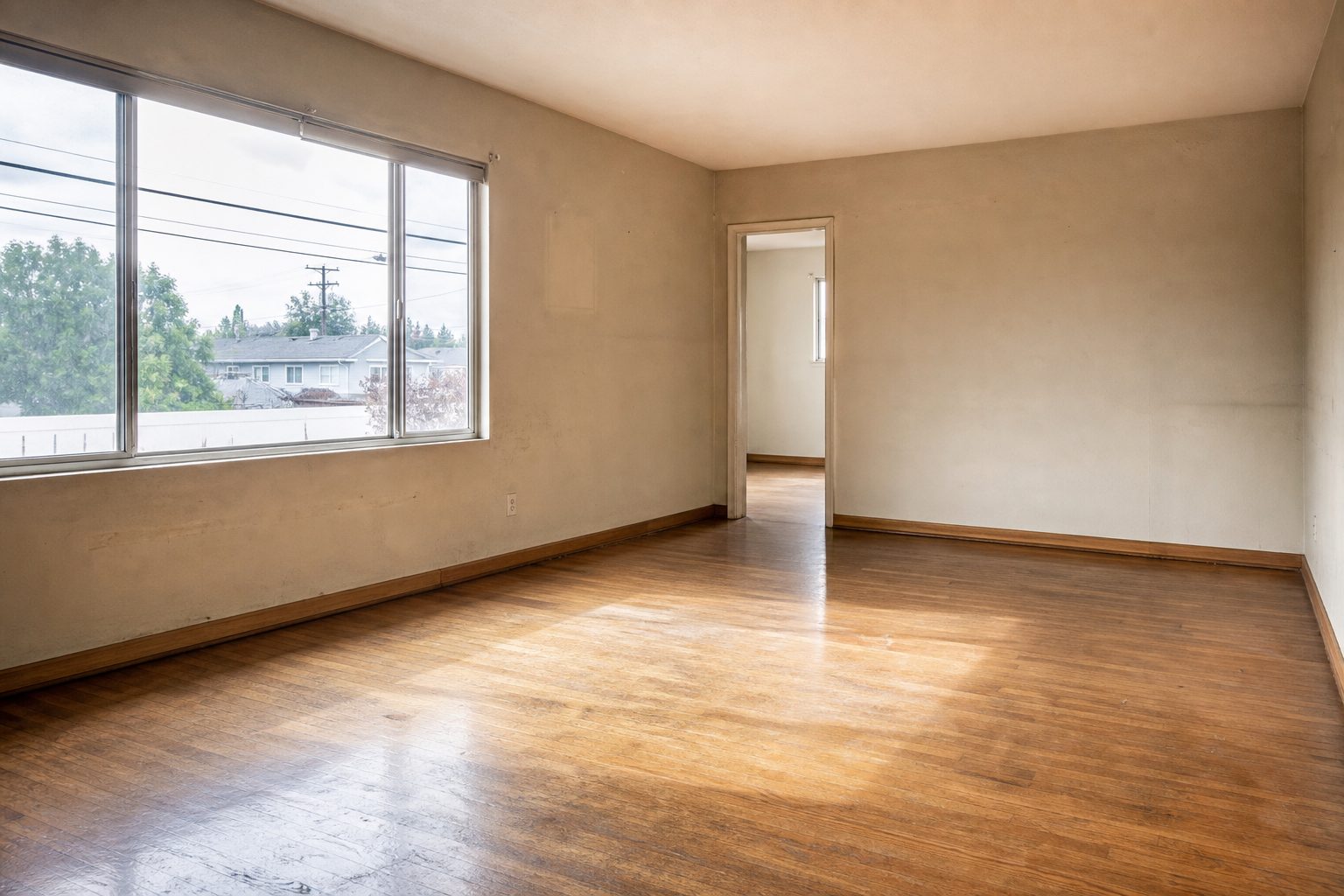
How Buyers Approach a Conservatorship Sale
Buyers considering a conservatorship property need to understand several things that differ from a standard purchase:
- Court timelines extend closing. The confirmation hearing alone can add 30 to 45 days beyond the typical escrow period. Buyers who need to close quickly may not be a fit.
- As-is terms are typical. Conservatorship homes are often sold as-is, and buyers should be prepared to accept the property in its current condition.
- Overbid risk is real. A buyer’s accepted offer may be outbid at the court hearing. Serious buyers understand this going in.
These factors shape how we price and market the property. We prepare buyers for court procedures upfront, which reduces fallout and keeps the transaction on track. Our post on selling a probate home as-is in Rancho Cucamonga explains how condition, buyer expectations, and pricing interact in court-supervised sales.
—
Sale Proceeds, Taxes, and Benefits
Where the Money Goes
The proceeds from a conservatorship sale belong to the conservatee. They are deposited into the conservatorship estate account and managed under court supervision. The court may require a bond or a blocked account to protect the funds. Regular accountings must be filed with the court showing how the proceeds are used, typically for the parent’s care, housing, and living expenses.
Tax Considerations
Because your parent is still living, there is no stepped-up basis on the home. This is a critical difference from an inherited property sale, where the tax basis resets to the fair market value at the date of death. Under a conservatorship sale, capital gains taxes may apply on the difference between your parent’s original purchase price and the sale price. Our post on paying taxes when selling an inherited home in California explains the step-up in basis concept in detail, as a useful contrast.
If your parent moved into a licensed care facility, IRS Publication 523 may allow a reduced use requirement for the home-sale exclusion. These rules are specific and should be reviewed with a CPA.
Medi-Cal and Public Benefits
Selling a home may affect your parent’s eligibility for Medi-Cal or other public benefits. The details are complex and change over time. We strongly recommend discussing this with an elder law attorney before the sale proceeds close. The consequences of getting this wrong can be severe.
—
Can a Conservatorship Be Avoided?
If your parent signed certain legal documents while they still had capacity, a conservatorship may not be necessary to sell the home:
- A durable power of attorney may grant an agent the authority to sell real property on the parent’s behalf without court involvement.
- A living trust with incapacity provisions allows a successor trustee to step in and manage or sell the property if the parent becomes unable to do so.
Both options are simpler, faster, and less expensive than a conservatorship. If these documents were never created, however, a conservatorship may be the only path. Our post on transfer-on-death deeds versus living trusts explores how trusts work for incapacity planning, and we recommend reading it alongside this guide.
—
The Professionals Involved in a Rancho Cucamonga Conservatorship Sale
Selling a parent’s home under a conservatorship is a team effort. The key professionals include:
- An elder law or conservatorship attorney who handles the legal filings, court appearances, and notice requirements
- The court investigator, who may be assigned to speak with your parent about the sale
- A CPA who advises on capital gains, the home-sale exclusion, and benefit impacts
- A care manager, if one is involved in coordinating your parent’s care facility or in-home services
- A real estate agent experienced in court-supervised sales who understands the appraisal process, buyer preparation, court confirmation, and the unique pace of these transactions
We coordinate closely with your attorney and the other professionals involved to keep the process moving and to avoid surprises. If you are just beginning to explore this, our probate and trust real estate page explains how we work with families in court-supervised situations.
—
A Family Checklist for a Conservatorship Home Sale in Rancho Cucamonga
1. Confirm that Letters of Conservatorship have been granted and include authority over the estate. 2. Discuss the proposed sale with your parent and document their wishes. 3. Consult with your attorney about filing the petition and notice requirements. 4. Contact a CPA to understand tax and benefit implications before the sale, not after. 5. Secure and insure the home if it is vacant. 6. Notify your homeowner’s insurance carrier of the vacancy. 7. Begin sorting personal belongings, setting aside keepsakes. 8. Reach out to us for a confidential assessment of the property’s current market position. 9. Coordinate with your attorney on timing once court authorization is granted. 10. Prepare for the confirmation hearing and the possibility of overbids.
—
Frequently Asked Questions
Can a conservator sell the conservatee’s house in California?
Yes. A conservator of the estate can petition the court for authority to sell the conservatee’s real property. However, selling a conservatee’s personal residence requires the court to find, by clear and convincing evidence, that the sale is in the conservatee’s best interest. This is a higher standard than for other estate assets.
Does a conservatorship home sale need court approval?
Yes. Under California Probate Code Sections 2540 through 2547, the conservator must obtain court authorization before selling the conservatee’s present or former personal residence. Even conservators with independent powers generally cannot bypass this requirement for the home.
How long does it take to sell a house under a conservatorship in Rancho Cucamonga?
The total process typically takes several months, sometimes longer, depending on court scheduling in San Bernardino County. After the court authorizes the sale, listing and accepting an offer adds additional weeks. The confirmation hearing then adds approximately 30 to 45 more days. Plan for a longer timeline than a standard sale.
Can other buyers overbid in a conservatorship sale?
Yes. At the court confirmation hearing, other qualified buyers may appear and submit higher offers following California’s statutory overbid formula. This means the originally accepted buyer may be outbid. We prepare all parties for this possibility upfront.
What happens to the money from selling a conservatee’s home?
The proceeds belong to the conservatee. They are deposited into the conservatorship estate account and managed under court supervision. The court may require a bond or blocked account to protect the funds. The conservator must file regular accountings showing how proceeds are used.
Can we sell our parent’s house to pay for assisted living or memory care?
Yes, paying for care is one of the most common reasons courts authorize a conservatorship sale. You will need to demonstrate that the parent’s income is insufficient for their care needs and that selling the home is in their best interest.
Does the parent have a say in selling their home?
Yes. The court requires that the proposed sale be discussed with the conservatee, and the petition must state whether the parent supports or opposes the sale. The court may also assign a court investigator to speak with the parent independently.
Is a conservatorship sale different from a probate sale?
Yes, in important ways. A conservatorship sale occurs while the parent is living, meaning the parent retains rights and the court actively protects their interests. In probate, the owner has passed away. Tax treatment also differs: there is no stepped-up basis in a conservatorship sale because the owner is still alive.
Can a power of attorney sell a house instead of a conservator?
Potentially, yes. If a parent signed a durable power of attorney while they had capacity, and it grants authority over real property, the agent named in that document may be able to sell the home without a conservatorship. Review the specific language of the document with an attorney.
Do we have to fix up the house before selling it under a conservatorship?
No. We sell all properties as-is. We provide suggestions for improvements that could increase value, with an honest assessment of cost and likely return. In a conservatorship, spending estate funds on repairs is a decision for the conservator, often with attorney guidance and potentially court oversight.
—
The Bottom Line
Selling a parent’s home under a conservatorship in Rancho Cucamonga is a court-supervised process that requires careful legal, financial, and emotional navigation. The court’s priority is your parent’s best interest, and every step, from the initial petition through the confirmation hearing, is designed to protect them. With the right attorney, the right CPA, and a real estate team experienced in court-supervised sales, this process can be handled with the patience and dignity your family deserves.
—
Have questions about selling a parent’s home under a conservatorship or your next move in Rancho Cucamonga? Let’s talk. Whether you are buying, selling, or just planning ahead, we will give you honest advice and a clear plan.
Get your free home valuation → soldbyblay.com/home-value/ Schedule a consultation → soldbyblay.com/contact
Brent Blay | Sold By Blay | Park Regency Realty | DRE #02068178 📞 909-641-8751 | ✉️ brentblay@parkregency.com | soldbyblay.com Your family deserves the best.

Leave a Reply