


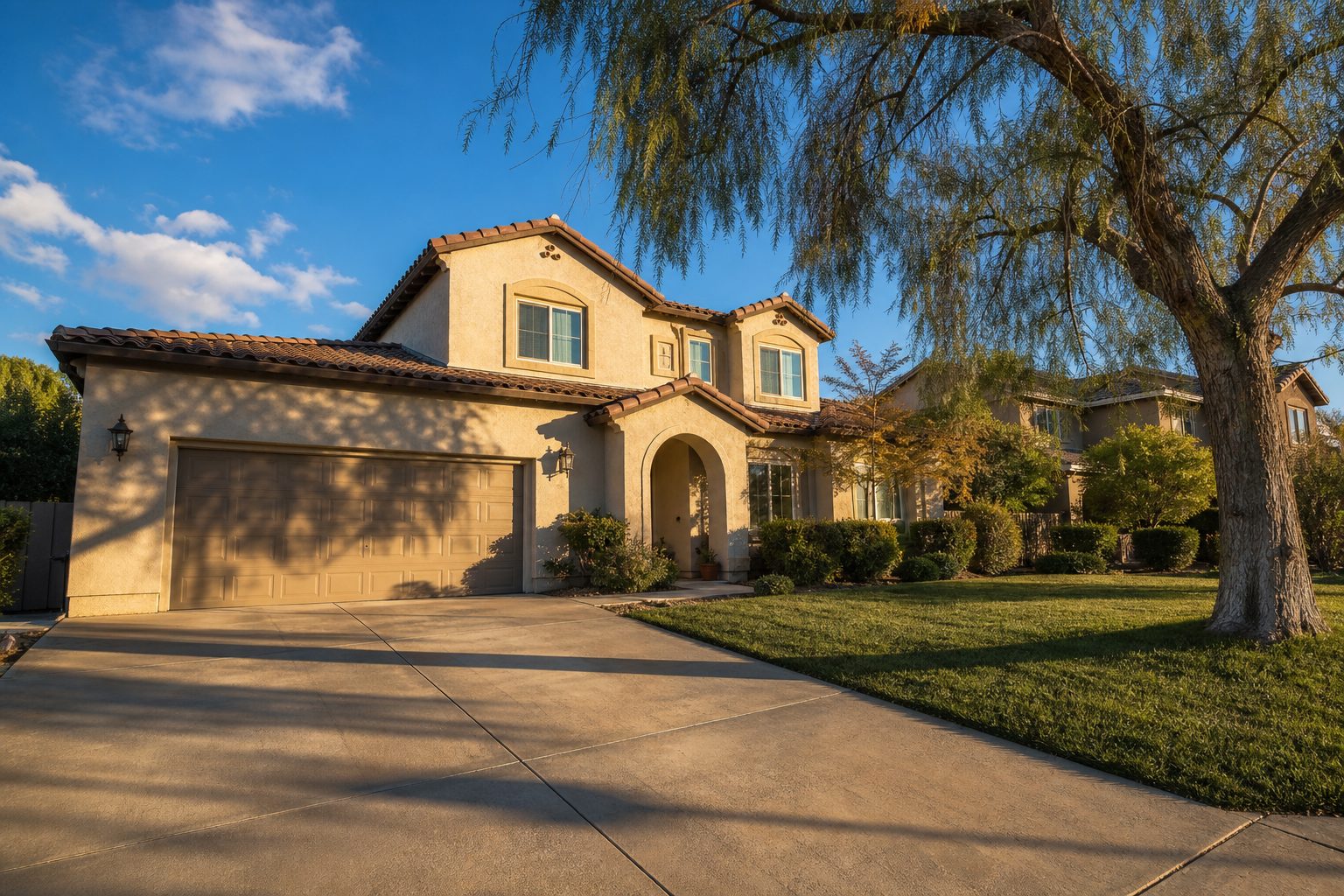
Who pays the mortgage, taxes, and repairs when selling a house during a divorce in Rancho Cucamonga?
There is no single rule. Who pays depends on your written agreement, any temporary court orders, and who is living in the home. Most costs still owed at closing are paid from the sale proceeds before the remaining equity is split.
Last updated: October 5, 2026
*This article is general information from a real estate perspective, not legal, tax, or financial advice. Every divorce is different. Consult a California family law attorney about your situation. Information as of October 5, 2026; laws and procedures may change.*
—
Why This Matters Right Now in Rancho Cucamonga
As of June 2026, the median home sale price in Rancho Cucamonga is approximately $826,000, according to recent market data. That means the monthly carrying costs on your home, including the mortgage, property taxes, insurance, and HOA dues, can easily exceed $5,000 or more. Every month that you and your spouse disagree about who pays what, those costs pile up, and both of your credit scores sit in the crosshairs.
California is a community property state. Property acquired during the marriage is generally owned 50/50 by both spouses. That also means the debts attached to that property, including your mortgage, belong to both of you until they are resolved, regardless of who filed for divorce or who moved out.
The good news: with a clear plan, you can protect your equity, protect your credit, and get to the closing table fairly.
—
Who Pays the Mortgage While the House Is for Sale in Rancho Cucamonga?
Both of you. If both names are on the loan, both of you remain legally responsible for every payment until the mortgage is paid off, refinanced, or the home is sold. Your divorce agreement does not change your contract with the lender.
In many California divorce cases, the court will issue temporary orders about who should make the mortgage payment while the case proceeds. Those orders can vary based on income differences and living arrangements. But the lender’s position is straightforward: both borrowers are on the hook.
What does this actually mean for your monthly budget? On a Rancho Cucamonga home valued around $800,000, the mortgage payment alone (before taxes, insurance, or HOA) can easily run $4,000 to $5,000 per month. That is real money leaving one or both of your bank accounts every 30 days until closing day arrives.
What If You Moved Out? Do You Still Have to Pay?
Yes, in most cases. During divorce proceedings, both spouses typically remain equally responsible for mortgage payments until the court makes its final decision, regardless of who physically lives in the home. Moving out does not release you from the loan. If you are the spouse who has left, document every payment you make and share that documentation with your attorney.
What If Your Spouse Stops Paying the Mortgage?
Act quickly. Missed payments during a California divorce can damage both spouses’ credit scores within 30 days and put the home at risk of foreclosure, regardless of who filed or who moved out. Contact your lender immediately to discuss options like forbearance or loan modification, though many programs require both borrowers to agree. Document the missed payments and contact your attorney right away. Do not stop paying in return; that could harm both of you.
Once you file for divorce in California, automatic temporary restraining orders take effect on the summons. These are designed to prevent either spouse from taking actions that could unfairly affect community property, including failing to pay joint debts like your mortgage, according to the California Courts Self-Help Guide. Violating these orders can result in sanctions or negative effects on the property division.
Can You Get Reimbursed for Mortgage Payments After Separation?
Possibly, and this is where two important California family law concepts come in.
- Epstein credits may allow you to seek reimbursement for community expenses, like mortgage payments, that you paid with your own separate income after the date of separation. You may be eligible for reimbursement for half of those payments, assuming they were necessary and benefited both parties.
- Watts charges come into play when one spouse exclusively uses community property, like the family home, after separation. The other spouse may request reimbursement for the reasonable rental value of the home during that exclusive use.
Both concepts can be part of negotiations or court proceedings when dividing community assets. Keep detailed records of every payment. Your family law attorney is the right person to advise you on whether these apply to your situation.
—
Who Pays Property Taxes, Insurance, and HOA Dues in Rancho Cucamonga?
Property taxes: The effective property tax rate in Rancho Cucamonga is approximately 0.71%, per county assessor data. On a home worth roughly $782,617, that translates to about $5,557 per year, as of 2026. When you add local bonds and Mello-Roos special assessments, the effective rate can climb to 1.10% to 1.55% or more of the home’s value. That means annual property taxes on a typical Rancho Cucamonga home could run $8,800 to $12,400 or higher.
During a divorce, property taxes on community property are typically split equally or assigned by temporary court order. At closing, the escrow company prorates the property taxes between the seller and buyer, and any amounts still owed are paid directly from the sale proceeds.
Homeowners insurance: You must keep coverage active until closing. If both spouses move out, check with your insurance provider about vacancy clauses. Many standard homeowners policies limit or exclude coverage if a home sits vacant for more than 30 to 60 days without a vacancy endorsement. Letting insurance lapse puts both of you at risk.
HOA dues: If your Rancho Cucamonga home is in an HOA community, dues continue to accrue regardless of your divorce status. Unpaid HOA dues can result in liens against the property, which will need to be cleared at closing and will reduce your net proceeds.
—
Who Pays for Repairs Before Selling a Rancho Cucamonga Home in Divorce?
This is one of the most common friction points between divorcing spouses. Here is how we approach it:
We sell all of our properties as-is. Repairs are never required. We always provide suggestions on how the property can be improved for maximum value, with an honest look at cost, time, and likely impact. Every stage of condition attracts certain buyers, and different buyers bring different pricing. In a divorce sale, both owners decide together, or as directed by the court.
Common ways divorcing couples handle repair costs:
- Split equally now. Each spouse contributes half of the agreed repair budget before listing.
- One spouse pays up front, with reimbursement from proceeds. This must be documented in writing, ideally through your attorneys, before any work begins.
- Offer buyer credits at closing instead of making repairs. This avoids out-of-pocket costs entirely and lets buyers handle the work themselves.
If a buyer requests repairs after a home inspection, both spouses (or their attorneys) need to agree on how to respond. We present all inspection requests to both owners transparently and help you evaluate the costs and alternatives so you can make a clear decision together.
The key: get any repair agreement in writing before work begins. This protects both of you and avoids disputes later.
—
Who Pays Utilities and Upkeep While the Home Is Listed?
While your Rancho Cucamonga home is on the market, it needs to look and feel move-in ready. That means the lights need to be on, the water needs to be running, the landscaping needs to stay maintained, and if you have a pool, it needs to be serviced. A show-ready home sells better and faster.
As of June 2026, homes in Rancho Cucamonga sold in a median of 43 days, with a sale-to-list price ratio of 100%, according to recent market data. That means properly priced, well-presented homes are still moving without significant discounts. Keeping the home in showing condition during that window is one of the most impactful things you can do to protect your shared equity.
Utility and upkeep costs are typically handled the same way as other carrying costs: by agreement between the spouses, by temporary court order, or by the spouse who remains in the home. Document all payments.
—

What Gets Paid at Closing in a Rancho Cucamonga Divorce Sale?
At closing, the escrow company pays off the following from the gross sale proceeds before any equity is distributed:
- Remaining mortgage balance(s)
- Prorated property taxes (adjusted to the closing date)
- Outstanding HOA dues or liens
- Real estate commissions
- Agreed repair credits to the buyer
- Transfer taxes and escrow fees
The remaining net proceeds are typically held in escrow, an attorney trust account, or a blocked account until the division is agreed upon by both spouses or ordered by the court. Agreed reimbursements, such as for documented post-separation mortgage payments, can be paid out of escrow if both parties (or a court order) instruct it.
This is why starting with a clear understanding of your home’s current market value is so important. It allows both of you, and your attorneys, to make informed decisions about what to expect from the sale.
—
Cost Responsibility at a Glance
Here is a summary of how divorce-related home expenses are typically handled. Every situation is different, so confirm with your attorney.
- Mortgage payments before the sale: Typically shared, assigned by temporary court order, or paid by the spouse living in the home. Reimbursement may be possible through Epstein credits.
- Property taxes before the sale: Typically split equally on community property or paid from impound accounts. Reimbursement may be possible.
- Homeowners insurance before the sale: Paid by one or both spouses by agreement or court order. Must stay active until closing. Check vacancy clauses.
- HOA dues before the sale: Paid by one or both spouses by agreement. Unpaid amounts become liens. Paid from proceeds at closing.
- Repairs and prep before listing: By agreement (split, one pays with reimbursement, or credits to buyer). Written agreement required. Not required if selling as-is.
- Utilities and upkeep while listed: By agreement or paid by the spouse in the home. Keep the home show-ready.
- Mortgage payoff at closing: Paid from sale proceeds automatically.
- Prorated taxes at closing: Paid from sale proceeds automatically.
- HOA amounts at closing: Paid from sale proceeds automatically.
- Commissions and fees at closing: Paid from sale proceeds automatically.
- Net proceeds after closing: Held until division is agreed or ordered by the court.
—
When Both Spouses Are Cooperative in Rancho Cucamonga
Cooperation is the fastest path to protecting your equity. When both spouses can agree on a plan, the benefits are significant: a faster sale, a better price, and lower legal costs.
A cooperative plan should address:
- Who pays which carrying costs each month (mortgage, taxes, insurance, HOA, utilities)
- The repair and prep budget, if any, and how it will be split
- Pricing strategy and willingness to adjust
- Showing schedules and access
- How offers will be reviewed and accepted
- How net proceeds will be held and divided
Both spouses sign the listing agreement and all purchase documents. A neutral listing agent communicates with both spouses equally, in writing, and presents all information transparently so neither party feels left out of the process.
—
When One Spouse Won’t Cooperate in a Rancho Cucamonga Divorce Sale
This is one of the most stressful situations in a divorce sale, and it happens more often than you might think. Common issues include one spouse refusing to sign the listing agreement, blocking showings or access, disagreeing on price, stopping payments, refusing to approve repairs, or neglecting the property.
If your spouse is not cooperating, there are lawful, neutral processes available:
- Mediation: A mediator can help you reach agreement on the sale terms without going to court.
- Request for court orders: Your attorney can file a request asking the family court to order the sale, set a listing price range, require cooperation with showings, or assign payment responsibilities.
- Court-appointed elisor: In some cases, a California court may appoint an elisor, a person authorized to sign real estate documents on behalf of a non-cooperating party when ordered by the court. This is a tool of last resort, but it exists.
- Partition action after divorce: If you and your former spouse remain co-owners after the divorce is final and cannot agree, a partition action is a legal process to force the sale.
Remember, the automatic temporary restraining orders on the California divorce summons restrict either spouse from selling or transferring property without written consent or a court order, according to the California Courts Self-Help Guide. These same orders also restrict actions that could harm community property, so documenting non-cooperation is important for your attorney’s case.
A note on safety: If there are safety concerns, coordinate all communication and property access through your attorney. Contact law enforcement in an emergency. Showings and access can be arranged without direct contact between the spouses.
—

How a Neutral Listing Agent Helps Both Spouses in Rancho Cucamonga
In a divorce sale, we serve as a neutral real estate resource for both owners. That means:
- Equal communication. Both spouses receive the same information at the same time, in writing.
- Transparent offer presentation. Every offer is presented to both owners with the same details, analysis, and recommendations.
- Attorney coordination. We work with both attorneys to ensure that the sale process aligns with any court orders or agreements.
- No taking sides. We do not negotiate divorce terms, give legal advice, or favor one spouse over the other.
As one client shared in a review: “Brent understood our needs and timeline, all diligently considered in his negotiations with the buyers. In the end the agreement fit the needs of everyone involved. Some stressful situations during the escrow process, but Mr. Blay and his industry contacts were always on hand to walk everyone through the process.”
That is the standard we hold ourselves to in every sale, including divorce sales where emotions are high and both parties need someone steady in their corner.
—
Your Divorce Home Sale Cost Checklist
Use this checklist to make sure nothing falls through the cracks:
1. Confirm who is making the monthly mortgage payment and document every payment. 2. Verify that homeowners insurance is active and check for vacancy clauses if both spouses have moved out. 3. Confirm HOA dues are current; request a payoff or demand statement. 4. Review your most recent property tax bill, including any supplemental bills. 5. Agree in writing on any repair or prep work, who pays, and how reimbursement will work. 6. Assign responsibility for utilities, landscaping, and pool maintenance while the home is listed. 7. Get a current home valuation to understand your equity position. 8. Both spouses sign the listing agreement. 9. Establish a communication plan: both spouses and both attorneys receive the same information. 10. Discuss how net proceeds will be held after closing (escrow, attorney trust account, or blocked account). 11. Document all post-separation payments for your attorney to review for potential Epstein credits or Watts charges. 12. If your spouse is not cooperating, discuss mediation or a request for court orders with your attorney.
—
Frequently Asked Questions
Who pays the mortgage during a divorce in California?
Both spouses generally remain liable for the mortgage until it is paid off, refinanced, or the home is sold. The court may issue temporary orders assigning payments based on income and living arrangements. Your divorce agreement does not change your contract with the lender.
Do you have to pay the mortgage if you moved out during a divorce?
Yes, in most cases. Moving out does not release you from the mortgage obligation. Both borrowers remain responsible. Document every payment you make after moving out, as you may be entitled to reimbursement through Epstein credits. Discuss your specific situation with your attorney.
What happens if your spouse stops paying the mortgage during a divorce?
Missed payments can damage both spouses’ credit scores within 30 days and risk foreclosure on the home. Contact your lender immediately to explore forbearance or modification options. Document the missed payments and notify your attorney. The automatic temporary restraining orders on the divorce summons may also apply.
Can you get reimbursed for paying the mortgage after separation?
Potentially, yes. California family law recognizes Epstein credits, which may reimburse a spouse who used separate income to pay community debts like the mortgage after the date of separation. The amount and applicability depend on your facts. Keep detailed records for your attorney.
Who pays for repairs when selling a house in a divorce in Rancho Cucamonga?
Repairs are never required. We always present options and let both owners decide. Common approaches include splitting repair costs equally, one spouse paying with reimbursement from proceeds, or offering buyer credits at closing instead of making repairs. Any agreement should be documented in writing.
Can repair costs be taken out of the sale proceeds?
Yes. Buyer credits for repairs are deducted at closing from the sale proceeds before the remaining equity is divided. If one spouse paid for repairs up front with an agreement for reimbursement, that reimbursement can also be handled through escrow if both parties or a court order direct it.
Who pays property taxes during a divorce in California?
Property taxes on community property are typically split equally or assigned by court order. The effective property tax rate in Rancho Cucamonga is approximately 0.71%, per county assessor data, as of 2026. At closing, taxes are prorated and paid from the sale proceeds.
Can you sell the house without your spouse’s signature in California?
Generally, no. Both owners must sign the listing agreement and deed. The automatic temporary restraining orders on the divorce summons restrict selling or transferring property without written consent or a court order. If your spouse refuses, your attorney may request a court order or the appointment of an elisor.
What if your spouse won’t agree to sell the house?
Your attorney can file a request with the family court for orders requiring the sale. Mediation is another option. In some cases, a court-appointed elisor may sign documents on behalf of a non-cooperating party. After divorce, a partition action is a last resort for co-owners who cannot agree.
What if your spouse refuses to let buyers see the house?
Your attorney can request a court order requiring cooperation with showings and access. Showings can be scheduled to minimize disruption, and access arrangements can be coordinated through attorneys to avoid direct contact between the spouses if needed.
Can a judge order a house to be sold during a California divorce?
Yes. California family courts have the authority to order the sale of community property, including the family home, as part of the divorce proceedings. The court can also set terms for the sale, including pricing and cooperation requirements.
What is an elisor in a California divorce?
An elisor is a person appointed by the court to sign documents on behalf of a party who refuses to do so, when ordered by the court. In a divorce real estate sale, an elisor can sign the listing agreement, counteroffers, or the deed if one spouse will not cooperate. This is typically a last resort after other options have been tried.
What happens to the money from the sale during a divorce?
After the mortgage, taxes, HOA amounts, commissions, and fees are paid at closing, the remaining net proceeds are typically held in escrow, an attorney trust account, or a blocked account until the spouses agree on division or the court orders it. Agreed reimbursements can be paid from escrow if both parties instruct it.
Will missed mortgage payments hurt both spouses’ credit scores?
Yes. If both names are on the mortgage, a missed payment can affect both spouses’ credit scores, typically within 30 days, regardless of who was supposed to pay or who filed for divorce.
Should both spouses use the same real estate agent in a divorce sale?
Using one neutral agent is common and often beneficial. A neutral agent communicates equally with both spouses, presents all information transparently, and coordinates with both attorneys. This reduces costs and keeps the process fair. Both spouses sign the listing agreement and both must approve offers.
—
The Bottom Line
Selling a home during a divorce in Rancho Cucamonga does not have to be a battle. With a clear agreement on who pays the mortgage, taxes, insurance, and repairs, and a neutral listing agent who communicates equally with both sides, you can protect your equity, protect your credit, and close the chapter fairly. Understanding the 2026 Rancho Cucamonga housing market dynamics can also help you make informed decisions about timing and pricing.
Have questions about selling a home during a divorce or selling a home in probate? Let’s talk. Whether you are buying, selling, or just planning ahead, we will give you honest advice and a clear plan.
Get your free home valuation at soldbyblay.com/home-value
Schedule a consultation at soldbyblay.com/contact
Brent Blay | Sold By Blay | Park Regency Realty | DRE #02068178 909-641-8751 | brentblay@parkregency.com | soldbyblay.com Your family deserves the best.
*Written by Sold By Blay at Park Regency Realty, specialists in luxury, probate, trust, and divorce real estate in Rancho Cucamonga and the Inland Empire.*

Leave a Reply